

Every website tells a story. For many businesses, it’s a tale of potential untapped, waiting to be discovered. While you might think your website is working hard for you, it could secretly be leaking revenue, turning away customers, and hindering growth. The solution? A comprehensive website audit that not only identifies these hidden issues but also lays the foundation for conversion optimization and long-term success.
Imagine a physical storefront with an appealing façade, yet cluttered aisles, broken shelves, and an unhelpful staff. Potential customers walk in, feel frustrated, and leave without buying anything. A poorly optimized website is no different. It may look sleek on the surface but could be riddled with hidden website issues affecting revenue, such as slow load times, poor SEO practices, or confusing navigation.
Your website’s loading speed isn’t just a technical detail, it directly impacts user experience and conversion rates. Research by digital performance firm Dynatrace reveals that even a mere half-second delay in page load time can slash online retail sales by up to 10%.Slow load times can frustrate visitors, leading them to abandon your site for a competitor’s. By identifying and addressing these delays through a website optimization process, you pave the way for a measurable conversion boost.
Search engine visibility is essential for driving organic traffic to your site. Hidden website issues affecting revenue often stem from overlooked SEO practices, such as missing meta descriptions, poor keyword targeting, or a lack of mobile responsiveness. An SEO audit can uncover these flaws, enabling your website to rank higher in search engine results pages (SERPs) and attract more qualified leads. This is a foundational step in how website optimization increases sales.
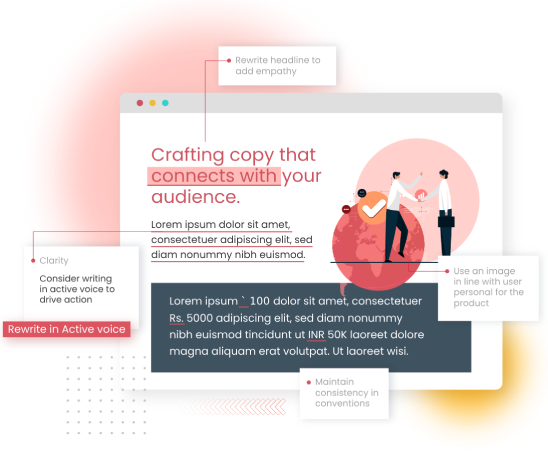
Content is the backbone of your website, yet it’s often riddled with inconsistencies or irrelevance. Poorly optimized content can dilute your messaging, fail to align with search intent, or overlook persuasive elements crucial for conversion optimization. Through a comprehensive website audit, you can refine your content strategy, aligning it with your audience’s needs and improving your bottom line.
Technical issues like broken links, outdated plugins, or security vulnerabilities may not be immediately visible, but they can severely impact trust and functionality. These hidden website issues affecting revenue are a silent deterrent to conversions. A detailed audit identifies these pain points, allowing you to resolve them before they hurt your business further.
A website audit is far more than a quick scan. It’s a comprehensive review that dives deep into the core elements of your digital presence. By addressing crucial areas such as SEO, user experience, and performance, a website audit uncovers hidden website issues affecting revenue and provides a clear roadmap for website optimization. Here’s how each component contributes to a conversion boost:
An SEO audit scrutinizes both on-page and technical SEO to identify factors that hinder your website’s visibility. This process reveals keyword gaps, broken links, and crawlability issues that might prevent search engines from properly indexing your site. For instance, poorly optimised metadata or duplicate content could result in your website being buried in search results. By addressing these issues, you enhance your site’s ranking potential, leading to increased traffic and demonstrating how website optimization increases sales.
The user experience audit evaluates your site’s design, navigation, and mobile responsiveness. A seamless user journey is critical for conversion optimization. Imagine a visitor landing on your site only to face cluttered layouts or unclear calls-to-action. Such frustrations often result in lost sales. By ensuring intuitive navigation, clean design elements, and mobile-friendly interfaces, a UX audit removes barriers that discourage conversions. This audit is particularly effective in uncovering hidden website issues affecting revenue, such as pages with high bounce rates.
Performance audits focus on your website’s speed, uptime, and responsiveness across devices. Slow-loading pages can deter even the most interested users, while frequent downtimes erode trust. By identifying these technical challenges, a performance audit lays the groundwork for significant improvements in user retention and engagement. Addressing these areas as part of website optimization not only creates a better user experience but also contributes directly to a conversion boost.
A thorough website audit doesn’t stop at surface-level fixes. For example, an SEO audit might reveal that low organic traffic isn’t due to lack of interest but poor indexing by search engines. Similarly, a UX audit may uncover design flaws that confuse users, while a performance audit might highlight server issues slowing down your site. These are hidden website issues affecting revenue that demand strategic solutions rather than cosmetic adjustments.
Many website issues silently chip away at your revenue without drawing immediate attention. Let’s explore some of the most common culprits that hinder conversion optimization and undermine your efforts to achieve a conversion boost:
Imagine clicking on a link that leads to a 404 error page. Frustrating, isn’t it? Broken links not only disrupt the user experience but also harm your SEO rankings. Search engines penalize websites with frequent errors, leading to decreased visibility and fewer visitors. For every broken link on your site, you’re essentially turning away a potential customer. Addressing this issue through a comprehensive SEO audit can uncover hidden website issues affecting revenue and provide actionable insights for website optimization.
A website’s navigation serves as a roadmap for users. If the path is unclear or overly complicated, visitors will abandon their journey, often within seconds. Confusing layouts, missing menus, or excessive steps to complete actions can deter even the most motivated customers. Simplifying navigation through strategic website optimization creates a seamless flow that boosts user satisfaction and conversions. This highlights why addressing such hidden website issues affecting revenue is critical for sustainable growth.
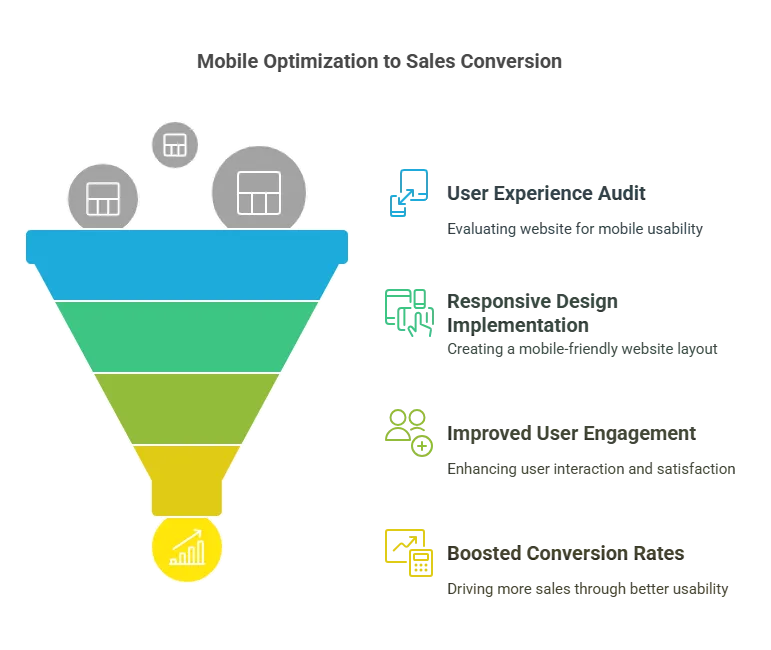
With over half of web traffic now coming from mobile devices, a non-responsive website represents a massive missed opportunity. Mobile users demand responsive designs, intuitive interfaces, and quick access to information. Websites that fail to deliver this experience not only lose potential sales but also harm their reputation. Ensuring mobile responsiveness through an exhaustive website audit not only addresses user expectations but also leads to a tangible conversion boost, proving how website optimization increases sales in the long run.
Fixing hidden website issues affecting revenue is not just about resolving problems; it’s about transforming your website into a high-performing revenue generator. Let’s explore how website optimization drives meaningful results and fuels business growth:
When a website is optimized, navigation becomes intuitive, pages load swiftly, and mobile users enjoy a seamless experience. These factors directly impact how long users stay on your site and how likely they are to convert. A user-friendly website eliminates frustration and fosters engagement, making it easier for visitors to find what they need and take action. Conversion optimization strategies such as clean design and logical site structures ensure users are guided effortlessly through their journey, ultimately boosting sales.
Optimized websites feature content and design elements that resonate with their target audience. Engaging headlines, clear calls-to-action, and streamlined layouts captivate visitors, encouraging them to explore further. By addressing hidden website issues affecting revenue, such as irrelevant content or cluttered pages, businesses can significantly lower bounce rates. A higher level of engagement not only improves your website’s performance metrics but also directly contributes to increased conversions and customer loyalty.
A polished, professional-looking website sends a powerful message about your brand’s credibility. Broken links, outdated design, or poor SEO practices erode user trust, while a well-optimized website instills confidence. By conducting a thorough SEO audit and focusing on website optimization, businesses can present themselves as reliable and trustworthy, ensuring that potential customers feel comfortable making purchases or signing up for services. Trust is the foundation of sales, and a credible website is essential for achieving a conversion boost.
An SEO audit is integral to driving revenue. It goes beyond surface-level checks to unearth the deeper, often hidden website issues affecting revenue. These insights are critical for effective website optimization, enabling conversion boosts and better search engine visibility. Let’s explore the key areas an SEO audit targets:
Technical issues are the silent disruptors of website performance. Problems like missing meta tags, duplicate content, and crawl errors prevent search engines from indexing your site effectively, making it invisible to potential customers. For instance, broken XML sitemaps or incorrect canonical tags can confuse search engines, leading to poor rankings and reduced traffic. Resolving these errors ensures that your website functions as a well-oiled machine, paving the way for improved search rankings and conversion optimization.
A thorough SEO audit identifies profitable keyword opportunities your website is currently missing. These gaps often represent untapped potential for driving organic traffic. For example, targeting long-tail keywords aligned with user intent can attract niche audiences who are more likely to convert. By filling these keyword gaps, you not only increase your visibility but also drive high-quality traffic that directly impacts sales. This is a pivotal aspect of how website optimization increases sales.
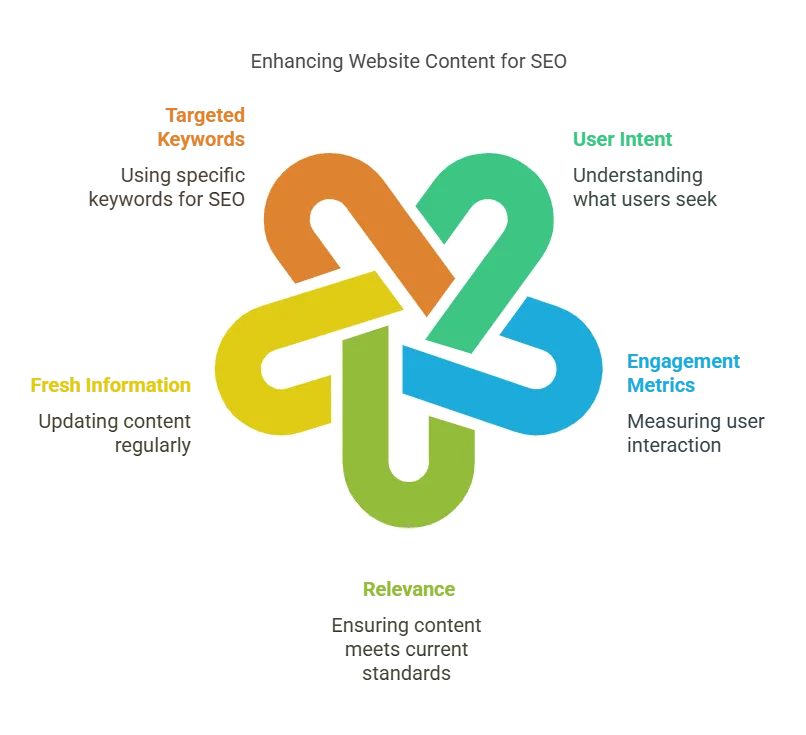
Content is the backbone of your website, and an SEO audit evaluates how well it serves your audience and search engines. Underperforming pages are analyzed for user intent, engagement metrics, and relevance. For instance, outdated blog posts or poorly written product descriptions might deter users and lead to higher bounce rates. Optimizing such content ensures that it aligns with audience expectations, boosting engagement and conversions. Updating content with fresh information and targeted keywords also strengthens your site’s SEO, creating a cycle of consistent improvement.
Conversion optimization goes beyond fixing problems; it’s about fine-tuning every element to encourage action. By focusing on key strategies, businesses can unlock untapped potential and achieve a significant conversion boost.
A clear, compelling call-to-action (CTA) is the cornerstone of successful conversion optimization. CTAs should be prominently placed, visually striking, and action-oriented. For instance, instead of a generic “Submit,” a button saying “Get My Free Guide” instantly communicates value and urgency. Coupled with optimised placement, such as above the fold or at logical breakpoints in content, effective CTAs ensure higher click-through rates. They eliminate hesitation, guiding users seamlessly toward the desired action and fixing hidden website issues affecting revenue.

A complicated or cumbersome sales funnel is one of the most common website issues that lead to lost revenue. Conversion optimization involves analysing every stage of the funnel and removing unnecessary steps that may frustrate users. Simplified forms, a one-click checkout option, or guest checkout availability can make a world of difference. For example, e-commerce sites that optimise their checkout process often report how website optimization increases sales. Reducing friction at critical stages ensures users don’t abandon their journey halfway.
A/B testing is the secret weapon for uncovering hidden website issues affecting revenue. It allows businesses to experiment with various elements, layouts, headlines, button colours, or even imagery, to see what resonates most with their audience. Data from these tests provides actionable insights, paving the way for informed decision-making. For example, an A/B test might reveal that users prefer a red “Buy Now” button over a green one, leading to a measurable conversion boost. The iterative nature of A/B testing ensures your website optimization efforts are both data-driven and effective.
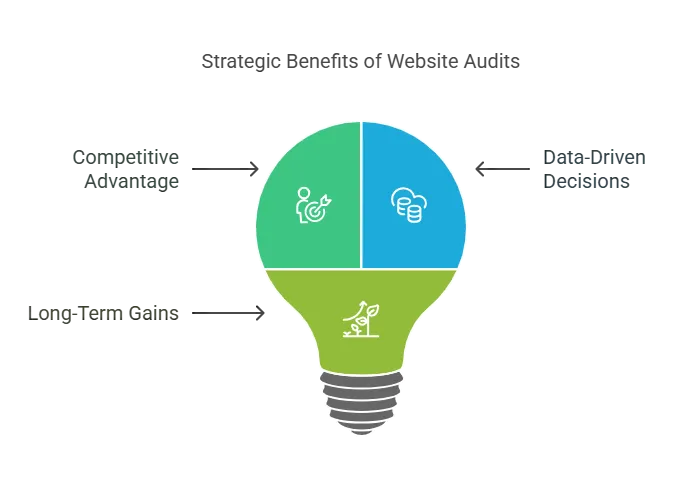
Ignoring a website audit is akin to ignoring maintenance on a machine that drives your business. The consequences? Missed opportunities, frustrated users, and declining revenue. Here’s why leaders should act:
When it comes to optimizing your website’s content, LexiConn is the partner you can trust. Here’s why:
A website audit is more than just a technical exercise; it’s a roadmap to uncovering hidden revenue and creating exceptional user experiences. For business leaders, it’s an opportunity to transform their digital presence into a powerful driver of growth.
Every click matters. Don’t let hidden issues cost you customers. Act now, conduct a website audit, and unlock the untapped potential of your business. Ready to discover your website’s potential? Schedule a free 30-minute consultation with LexiConn and let’s start building your conversion strategy today.

I have read and accept the Privacy Policy
Read More