
Every business owner knows that building a company brand is important. But what about personal branding for business owners? For SME founders, personal branding isn’t just a buzzword, it’s a strategic asset that can drive business growth, attract customers, and open doors to new opportunities.
In today’s digital-first world, customers and investors want to know the person behind the business. A well-crafted personal brand builds trust, credibility, and differentiation. Whether you’re looking to establish thought leadership, attract top talent, or scale your business, your personal brand is just as crucial as your company’s reputation.
This blog explores why personal branding for business owners is essential and provides a step-by-step guide on how SME founders can build a personal brand. We’ll also dive into the role of LinkedIn branding for business leaders and why choosing LexiConn for thought leadership content can make all the difference.
Where should there be personal branding for business owners? What should SME founders choose: website vs. social media content? Should they prioritize long-form website content that provides depth, or invest more in a social media strategy that ensures engagement? The best content strategy for SMEs isn’t about choosing one over the other but leveraging both effectively.
Here’s why personal branding matters for SME founders and how they can integrate website content and social media strategy for long-term success.
Customers prefer to buy from people they know, like, and trust. A strong personal brand positions you as a reliable expert in your industry, making it easier to establish credibility. This is especially important in the SME sector, where business success often depends on personal relationships and reputation.
Markets are saturated, and businesses compete fiercely for attention. A well-defined personal brand helps SME founders stand out by showcasing their unique expertise, experiences, and leadership qualities.
Investors don’t just fund businesses, they fund people. A compelling personal brand can significantly influence funding decisions, strategic partnerships, and recruitment. When investors or potential business partners evaluate a company, they often research the founder’s online presence before making decisions.
Companies evolve, some pivot, merge, or even shut down, but a strong personal brand remains. SME founders who build their brand strategically can transition seamlessly into new businesses, advisory roles, or leadership positions, regardless of industry changes.

A common belief among SME founders is that personal branding is only necessary for Fortune 500 CEOs, influencers, or high-profile entrepreneurs. This couldn’t be further from the truth.
Even small business owners can benefit from personal branding by positioning themselves as industry experts. Customers are more likely to trust a business when they know the person behind it. By consistently sharing insights, engaging with your audience, and establishing thought leadership, SME founders can differentiate themselves from competitors and attract more clients, partnerships, and media opportunities.
The question then arises: Should SMEs focus on website or social media for their personal branding efforts? While social media provides real-time engagement, a well-structured website serves as a long-term asset, housing essential website content such as blogs, case studies, and service pages that reinforce credibility. The best content strategy for SMEs involves a balance between the two, using social media for outreach and website content for authority-building.

Many SME founders assume that personal branding is limited to having an active presence on social media. While platforms like LinkedIn, Twitter, and Instagram play a crucial role, personal branding goes beyond social media strategy.
Personal branding includes speaking engagements, networking at industry events, publishing thought leadership articles, and ensuring that your website content reflects your expertise. A well-optimized website gives your brand a professional presence, while social media strategy allows for engagement and relationship-building.
For example, a LinkedIn post might generate immediate traction, but a well-crafted blog on your website will provide long-term SEO value. Website vs. social media content shouldn’t be a debate; instead, both should complement each other. The best content strategy for SMEs involves using social media to drive traffic to your website, where potential clients can access deeper insights, case studies, and your business offerings.
Another misconception is that personal branding is just a way to boast about achievements. Many SME founders shy away from it, fearing they’ll come across as overly promotional. However, the goal of personal branding isn’t to sell yourself, it’s to educate, inspire, and engage your audience through valuable insights.
The best way to approach personal branding is by focusing on how your expertise can help others. Sharing success stories, lessons learned, and industry insights positions you as a trusted leader without making it feel like a sales pitch.
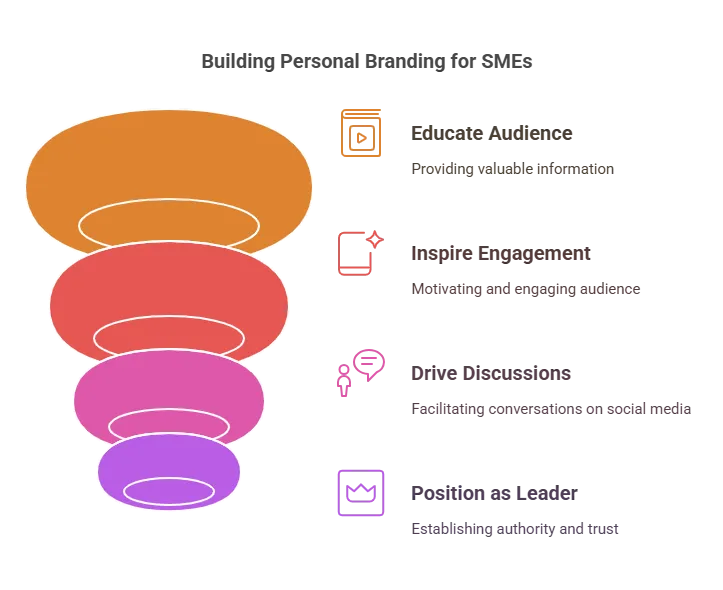
For SMEs, the ideal approach combines a strong website content strategy with a well-executed social media strategy. Your website should serve as a knowledge hub, offering resources that highlight your expertise, while your social media content should drive discussions, answer audience questions, and provide quick, digestible insights.
Building a personal brand as an SME founder requires a strategic approach that balances online visibility with credibility. The key lies in effectively using both website content and social media strategy to create a strong, authentic presence.
Many founders struggle with the question: Should SMEs focus on website or social media? The truth is, both are essential. Website content provides a permanent, professional foundation for your brand, while social media strategy ensures ongoing engagement and visibility.
Here’s a step-by-step guide on how SME founders can build a personal brand that drives credibility, attracts business opportunities, and sets them apart from competitors.
Before you start building your online presence, you need to define what your personal brand stands for. Ask yourself:
Your website content should clearly reflect these aspects. A well-crafted “About Me” page, a mission statement, and case studies help showcase your brand’s credibility.
At the same time, your social media strategy should align with this identity. Every LinkedIn post, blog, or video should reinforce your values and expertise. The best content strategy for SMEs involves using both platforms effectively, social media for outreach and engagement, and a website for long-form content and deeper insights.
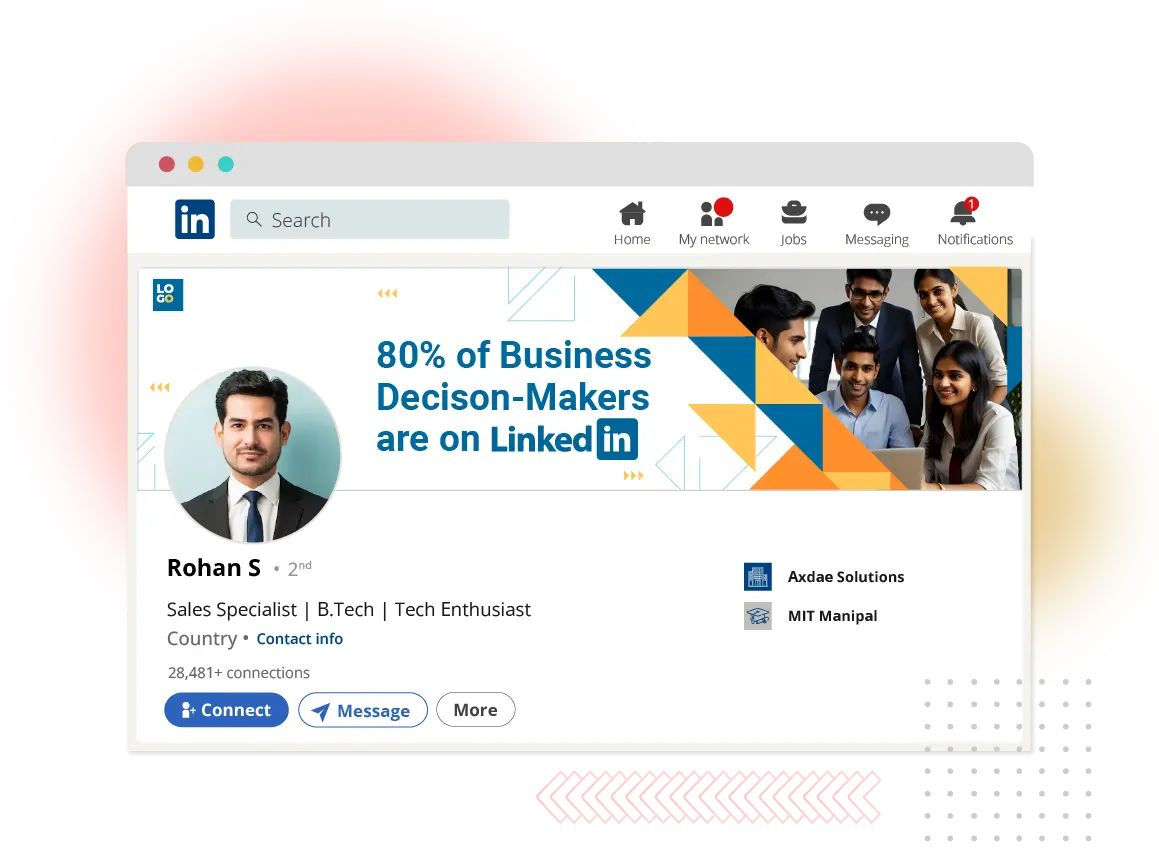
LinkedIn branding for business leaders is crucial for SME founders. Your LinkedIn profile often serves as a first impression, making it essential to craft a compelling presence.

Here’s how to optimize your LinkedIn profile:
Your LinkedIn content should complement your website content. While LinkedIn allows you to engage with your audience instantly, your website serves as a long-term asset, showcasing detailed case studies, in-depth blogs, and client testimonials. Instead of asking Should SMEs focus on website or social media?, SME founders should leverage both for maximum impact.
Content is the foundation of personal branding. The more value you provide, the more you establish authority in your industry. Consider these content formats:
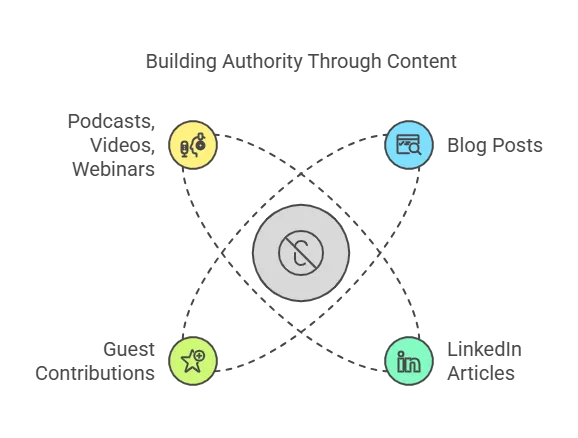
The best content strategy for SMEs involves repurposing content across platforms. A detailed blog on your website can be turned into a LinkedIn post, a short video, or even a podcast discussion. This ensures that your content reaches different audience segments effectively.
People trust social proof more than marketing claims. SME founders should actively showcase:
The best content strategy for SMEs is to strategically place social proof both on their website content (testimonials, case studies, press coverage) and in their social media strategy (highlighting client success stories, sharing interview clips, posting speaking event highlights).
A well-optimized website makes social proof easy to find, while social media ensures that it reaches the right audience. Instead of choosing between website vs. social media content, SME founders should integrate both for maximum impact.
A personal brand isn’t built overnight, it requires consistent effort across all channels. Founders often wonder, Should SMEs focus on website or social media? The reality is that consistent presence across both is the key to long-term success.
LinkedIn is the most powerful platform for SME founders looking to build a personal brand. It provides direct access to industry peers, potential clients, investors, and decision-makers. Unlike other social platforms, LinkedIn is designed for professional networking and thought leadership, making it an essential part of an SME founder’s social media strategy.
Engagement is key to visibility. Simply having a LinkedIn profile isn’t enough, you need to actively interact with other professionals to stay relevant.
Content is the backbone of personal branding. The more value you provide, the stronger your brand becomes. The best content strategy for SMEs involves a mix of engaging social media strategy and evergreen website content.
Here’s how SME founders can create impactful LinkedIn content:
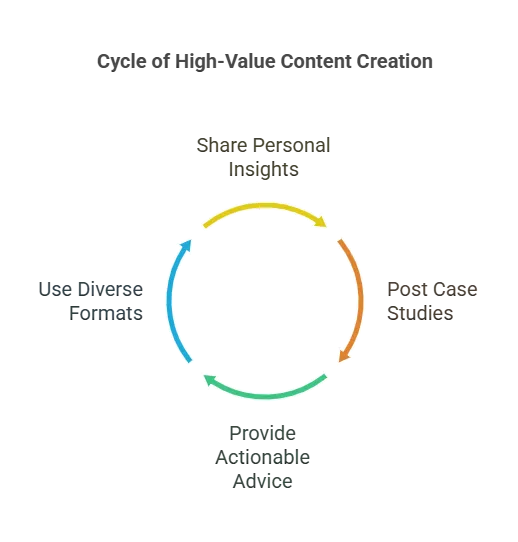
While LinkedIn is great for short-form, high-engagement content, your website content should include detailed articles, case studies, and thought leadership pieces that position you as an authority. An ideal strategy involves sharing key takeaways on LinkedIn and directing traffic back to your website for a deeper read.
A strong LinkedIn network is more than just a list of connections, it’s about building meaningful relationships with people who can support and amplify your brand. Many SME founders add connections without actually engaging with them, missing out on valuable opportunities.
To effectively grow your LinkedIn network:
While LinkedIn is great for networking, your website content should serve as a professional extension of your brand. A well-structured website with case studies, testimonials, and service pages reinforces the credibility you establish through LinkedIn. The best content strategy for SMEs includes leveraging LinkedIn for connections while using website content to provide in-depth business insights.
LinkedIn offers powerful tools to boost engagement and visibility. Many SME founders underutilize these features, missing out on opportunities to expand their reach.
Building a personal brand requires high-quality, strategic content. This is where LexiConn comes in.
1. Expertise in Personal Branding ContentWriting for B2B brands since 2009, we at LexiConn specialize in crafting compelling thought leadership content that helps SME founders establish authority.
2. Proven LinkedIn Strategy ExecutionWe help business leaders optimize their LinkedIn presence, create impactful posts, and drive engagement.
3. High-Impact StorytellingOur content is designed to educate, inspire, and engage audiences. From LinkedIn posts to long-form articles, we create content that elevates your personal brand.
4. Trusted by Top Business LeadersWe have worked with SME founders, CXOs, and industry experts to position them as thought leaders in their fields.
A strong personal brand isn’t optional for SME founders, it’s a necessity. In an era where digital presence shapes credibility, founders who actively invest in their brand gain a competitive edge.
If you’re ready to establish your authority and drive business growth, start with LexiConn to create high-value content. We can help you build a powerful thought leadership presence. Let’s schedule a free 30-minute discovery call and discuss your business growth online today!
I have read and accept the Privacy Policy
Read More
