

In the digital marketplace, small and medium enterprises (SMEs) have immense potential to thrive, if they can harness the power of a solid content strategy. Yet, for many SMEs, creating a scalable digital presence feels like navigating uncharted waters. With limited resources, fluctuating budgets, and an ever-changing digital landscape, how can SMEs consistently deliver impactful content?
The answer lies in a well-structured SME digital content strategy that aligns with their business objectives, speaks to their audience, and ensures long-term scalability. This blog provides a step-by-step content strategy guide for SMEs to help business leaders build a sustainable digital footprint. Let’s dive into the essentials.
The digital world has transformed the way businesses interact with their customers. While this shift has opened new doors for SMEs, it has also created significant challenges. The competition is fierce, and consumers have high expectations for relevance and value.
An ad hoc approach to content creation can result in wasted efforts, inconsistent messaging, and low engagement. This is why a structured digital strategy is no longer optional for SMEs, it is a necessity. A robust content strategy helps SMEs:
Every SME operates in a competitive landscape where standing out is crucial. A well-defined SME digital content strategy ensures that businesses clearly articulate their unique value proposition. This involves identifying what sets their products or services apart from competitors and crafting content that communicates this effectively. Without a clear value proposition, even the most creative content might fail to connect with the audience.
Effective content planning enables SMEs to focus their efforts on engaging with the right audience. By leveraging a step-by-step content strategy guide for SMEs, businesses can segment their target market and deliver personalised content that resonates. Timing is equally important, knowing when to share content ensures maximum visibility and engagement. Through careful planning and analytics, SMEs can align their efforts with audience behaviour and preferences.
Consumers gravitate towards brands they trust. By consistently creating high-quality, relevant, and value-driven content, SMEs can establish themselves as thought leaders in their niche. Scalable content marketing for small businesses is not just about quantity but also about creating content that solves problems, answers questions, and adds value to the audience’s lives. Over time, this builds credibility and strengthens brand loyalty.
One of the biggest advantages of a digital strategy is its scalability. With the right tools and analytics, SMEs can track performance metrics and adapt their content strategy accordingly. Scalable content marketing for small businesses allows for growth without overextending resources. This ensures that every piece of content contributes to measurable goals, such as increasing web traffic, generating leads, or boosting conversions.
For SMEs, the path to a scalable digital presence starts with a clear roadmap. Here’s how to build one.
Crafting a content strategy is not a one-size-fits-all process. However, this step-by-step content strategy guide for SMEs can serve as a blueprint for success.
Every SME must start by answering: What do we want to achieve with our content? Goals could include brand awareness, lead generation, or driving sales. Defining clear objectives is the cornerstone of a strong SME digital content strategy. These objectives act as a roadmap, ensuring every piece of content serves a purpose and contributes to measurable outcomes. For example, if your goal is lead generation, your strategy might prioritise creating downloadable guides or hosting webinars to capture contact details.
Once goals are set, identifying your target audience becomes critical. An SME that overlooks this step risks creating content that fails to resonate. Start by segmenting your audience based on demographics, interests, and behaviours. Dive deeper by creating detailed buyer personas that capture their pain points, preferences, and decision-making processes. Are they seeking cost-effective solutions? Do they value innovation or customer support? Answering these questions helps tailor your messaging.
Understanding your audience also informs content planning. If your audience prefers visual formats, prioritise videos and infographics. If they rely on in-depth information, focus on blogs and whitepapers. Aligning content with audience needs ensures your strategy is both effective and scalable. This step-by-step content strategy guide for SMEs lays the groundwork for scalable content marketing for small businesses, enabling them to connect meaningfully with their target audience while driving sustainable growth.
Conducting a content audit helps SMEs identify what’s working and what isn’t. By assessing your existing content, you can pinpoint high-performing pieces, outdated material, and gaps in your strategy. Tools like SEMrush or Screaming Frog can streamline this process by providing data on keyword rankings, traffic, and engagement. A thorough audit forms the foundation of a digital strategy that’s rooted in evidence and effectiveness.
Keywords are the backbone of any digital strategy. For SMEs, it’s crucial to find keywords that resonate with the audience while reflecting the industry’s demands. A balance between niche long-tail keywords and competitive terms ensures broader reach and targeted engagement. For instance, phrases like “scalable content marketing for small businesses” can address specific audience needs while positioning the business as an authority in the niche. Integrating these keywords into your content planning enhances visibility and relevance.
Consistency is key in content marketing. A well-structured content calendar ensures regular publishing and keeps your audience engaged. Plan your calendar for at least three months, outlining topics, formats, and schedules. Include a mix of blogs, videos, infographics, and social media posts to maintain variety. Effective content planning simplifies execution and provides a roadmap for your SME digital content strategy.
Scalability is vital for SMEs working with limited resources. A well-thought-out SME digital content strategy ensures that content creation efforts are maximized without exhausting available resources. By focusing on versatile formats, SMEs can achieve more with less while maintaining consistency in their messaging.
Turn a Blog into a Series of Social Media Posts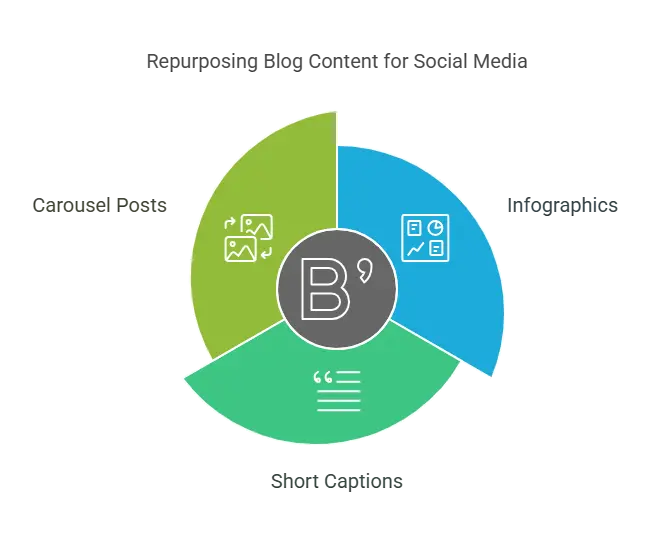
Blogs are a rich source of information and can easily be broken down into bite-sized posts for platforms like Instagram, LinkedIn, or Twitter. For instance, key takeaways from a blog about "Step-by-step content strategy guide for SMEs" can be repurposed into infographics, short captions, or carousel posts. This not only increases your content’s reach but also maintains engagement across multiple channels.
Transform Customer FAQs into a Video Tutorial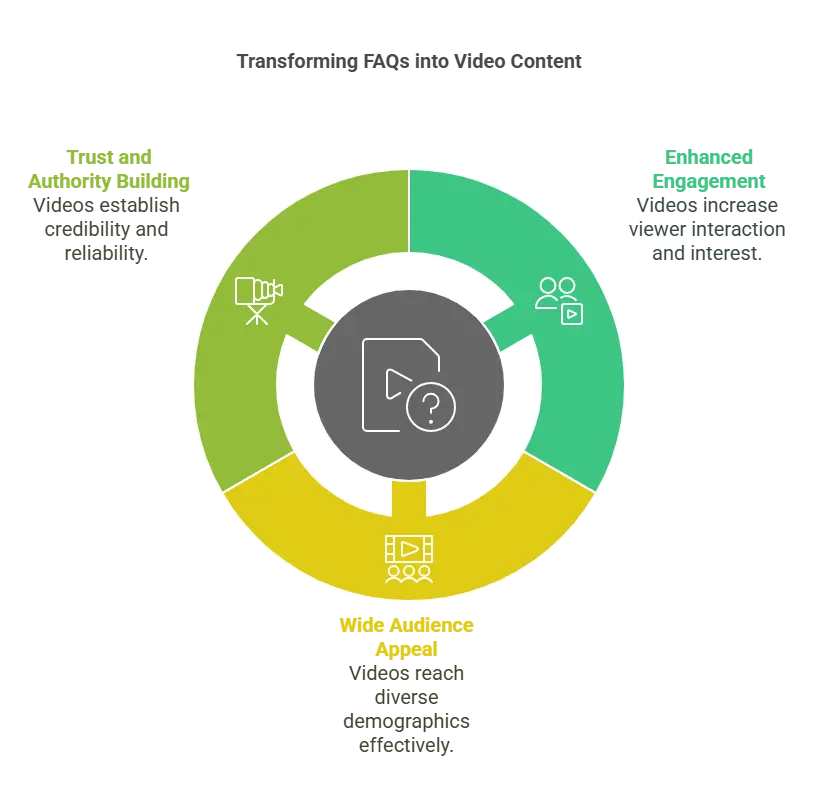
Customer FAQs often highlight common pain points and queries, making them an excellent foundation for video content. Creating short, informative tutorials that address these questions can enhance audience engagement. Videos are a highly shareable format, aligning with scalable content marketing for small businesses by appealing to a wide audience while building trust and authority.
Compile Evergreen Articles into an eBook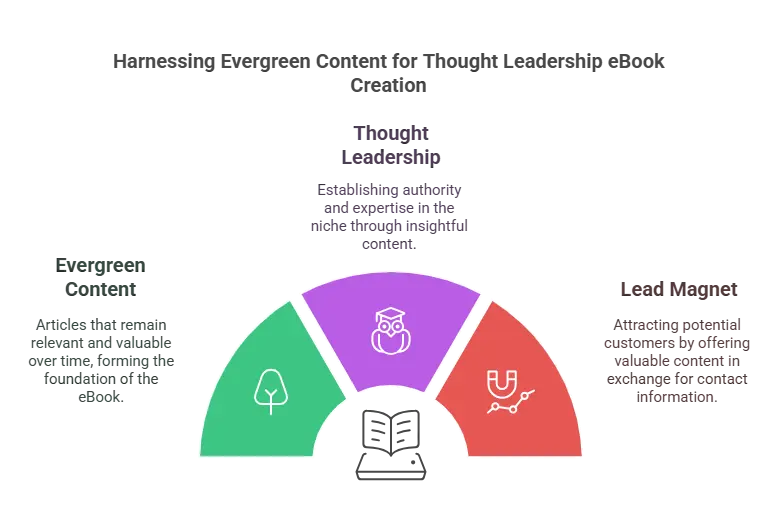
Evergreen articles, such as how-to guides or industry insights, hold value over time. Compiling these into a comprehensive eBook not only provides long-term utility but also positions your SME as a thought leader in your niche. An eBook can be used as a lead magnet, supporting your digital strategy by attracting potential customers through gated downloads.
Technology plays a pivotal role in executing a digital strategy effectively. Affordable content management tools like Trello, Hootsuite, or WordPress enable SMEs to streamline workflows and manage content efficiently. Automation tools can handle scheduled publishing, social media management, and performance tracking. These technologies simplify content planning and execution, making scalable content marketing accessible even to small businesses with tight budgets.
Defining Key Performance Indicators (KPIs) is crucial for evaluating the success of your content strategy. Metrics like website traffic, engagement rates, and lead conversions provide insights into what’s working. Use analytics tools like Google Analytics or HubSpot to monitor performance and refine your SME digital content strategy. Continuous improvement is the hallmark of a successful step-by-step content strategy guide for SMEs. By adapting based on data, SMEs can ensure their content remains relevant and impactful.
Creating a scalable digital presence goes beyond ticking items off a checklist. It’s about building a dynamic ecosystem where content drives growth and engagement.
For SMEs, investing in high-quality content is the cornerstone of a successful SME digital content strategy. Authenticity and storytelling resonate deeply with today’s audience, setting brands apart in a crowded marketplace. Focus on crafting value-driven content that addresses your customers' specific pain points while reflecting your unique brand identity. Whether it’s through blogs, videos, or case studies, ensure that your content positions you as a trusted expert in your niche. This approach forms a solid foundation for scalable content marketing for small businesses.
In today’s connected world, your audience interacts with multiple platforms daily. SMEs must adopt an omnichannel strategy to ensure their messaging remains consistent across all touchpoints, be it social media, email campaigns, or your website. A cohesive omnichannel presence strengthens brand recall and ensures your SME digital content strategy reaches a broader audience effectively. This approach not only boosts engagement but also supports long-term growth by meeting customers where they are. Effective content planning is key to maintaining consistency and coherence across these platforms.
Collaborations can be a game-changer for SMEs looking to scale their digital presence. Partnering with complementary brands or influencers allows you to tap into new audience segments and amplify your reach. When choosing collaborators, align with organisations that share your values and target similar demographics. For example, a step-by-step content strategy guide for SMEs can involve partnerships with local businesses or industry influencers who can help you co-create content. These collaborations add credibility to your efforts and open doors to scalable content marketing for small businesses.
While building a content strategy, SMEs often fall into these traps:
One of the most common pitfalls in SME digital content strategy is failing to align content with overarching business goals. Without a clear connection between your content efforts and your objectives, even the most engaging content can fall flat. Content planning must integrate seamlessly with your broader digital strategy to ensure that every piece serves a purpose, whether that’s boosting brand awareness, generating leads, or nurturing customer relationships. For scalable content marketing for small businesses, a focused and goal-oriented approach is non-negotiable.
Chasing the latest trends may seem like an easy way to attract attention, but it can often dilute your brand message. While it’s important to stay relevant, prioritising fleeting trends over sustainable content can lead to inconsistent messaging and wasted resources. Instead, SMEs should focus on evergreen topics and a step-by-step content strategy guide for SMEs to maintain consistency and build a reliable digital presence. Trends should complement, not dominate, your content efforts.
Neglecting thought leadership content is a missed opportunity for SMEs to establish authority in their industry. Thought leadership builds trust, credibility, and a loyal audience base. By showcasing your expertise through blogs, whitepapers, or industry insights, you position your brand as a go-to resource. This is a crucial component of any SME digital content strategy and helps create a scalable foundation for long-term success. Incorporating thought leadership into your content planning not only differentiates you but also strengthens your relationship with your audience.
Creating impactful content is no easy feat, especially for SMEs juggling multiple priorities. This is where LexiConnsteps in as your trusted content partner.
Partnering with LexiConn means elevating your brand’s digital presence with thought leadership content that stands out in a crowded marketplace.
A well-executed SME digital content strategy can be the game-changer that propels your business to new heights. By following this step-by-step content strategy guide for SMEs, you’re not only building a scalable digital presence but also setting the stage for sustainable growth.
Ready to take the next step? Let LexiConn help you transform your vision into reality with customised content solutions designed to drive results. The digital future is yours. Book a free 30-minute discovery call with LexiConn today.
I have read and accept the Privacy Policy
Read More