
The landscape of cybersecurity threats has undergone a dramatic transformation in recent years. According to IBM's 2024 Security Report, organizations faced an average of 1,248 cyber attacks per week in 2023, a 49% increase from the previous year. This surge in digital attacks has challenged organizations' security infrastructure and revolutionized how we communicate about cybersecurity.
In response to these escalating threats, many organizations have historically relied on fear-based messaging tactics. However, this traditional approach is proving increasingly ineffective in addressing modern cybersecurity challenges. Research by Gartner indicates that 82% of employees find fear-based security communications demotivating, leading to reduced engagement with security protocols.
In this blog, we'll explore the transformation of cybersecurity communication, emerging trends in security messaging, and how organizations can build a more resilient security culture through empowerment-based approaches.
Cybersecurity threats have often been communicated through fear-based messaging aimed at shocking and alarming audiences into action. However, this approach is becoming less effective in today’s evolving digital landscape. Let's begin with its origin.
Early cybersecurity campaigns relied heavily on fear, showcasing catastrophic outcomes of cyberattacks. The aim was to shock users into action. This narrative was amplified by reports of ransomware shutting down hospitals and data breaches costing billions. Fear created urgency but often left audiences overwhelmed and reactive.
Fact: Cyberattacks are escalating, with global cybercrime costs projected to reach $10.5 trillion annually by 2026.
Fear-based strategies heightened awareness but also led to thinking paralysis for some users. Overwhelmed by risks, many ignored solutions. Organizations employed a top-down approach, using stark warnings and potential penalties to ensure compliance.
Key Historical Trends & Impact
(Source: Forrester Research 2023)
The limitation of this approach became evident as cybersecurity challenges evolved beyond simple malware. As sophisticated threats like ransomware and social engineering emerged, organizations realized that fear alone couldn't drive effective security behaviors.
The shift from fear-based to empowerment-focused security messaging has been driven by key changes in workforce dynamics and technology advancements, especially as organizations face growing cybersecurity threats and challenges.
The modern workforce, largely digital natives, engages better with interactive security training than with fear-based methods. Remote work highlights the need for relatable communication. This shift empowers employees to address cybersecurity threats confidently, rather than feeling intimidated, helping create a proactive defense against cybersecurity challenges.
Cybersecurity platforms are vital in tackling evolving cybersecurity threats. They deliver personalized training and real-time feedback, fostering engagement. With a focus on prevention, these platforms address cybersecurity challenges early, ensuring employees understand their roles in mitigating threats and building a collaborative security environment.
Regulations like GDPR focus on employee awareness and engagement, pushing businesses away from fear-driven methods. In response to cybersecurity challenges, businesses prioritize messaging that empowers employees to manage cybersecurity threats confidently, ensuring compliance and preparing them to handle complex challenges responsibly.
Progressive CISOs now view security as an enabler, not a blocker. This mindset fosters collaboration, as employees play a more active role in addressing cybersecurity challenges. Empowerment-driven communication builds resilient teams capable of defending against cyber threats, fostering trust and engagement across the workforce.
This transformation is crucial as organizations face more sophisticated cybersecurity threats and challenges, requiring stronger, adaptive defenses.
|
Read: AI in Cybersecurity is Empowering Enterprises Against Evolving Threats |

Modern cybersecurity challenges demand a shift in how organizations approach security communication. Traditional fear-based methods are ineffective in addressing the growing cybersecurity threats businesses face.
Research by Gartner reveals that organizations adopting empowerment-based security messaging saw a 67% improvement in security posture compared to traditional approaches.
Shifting to empowerment-based security communication helps organizations tackle cybersecurity threats while fostering a proactive security culture. Here are five key elements to focus on:
💡 Pro Tip: Launch a “Security Heroes” bulletin to highlight employees’ efforts, boosting morale and fostering a sense of ownership.
💡 Pro Tip: Conduct biannual surveys to gather feedback on security communication, ensuring it resonates and addresses cybersecurity threats effectively.
💡 Pro Tip: Introduce a “Cybersecurity Champion” leaderboard where employees earn points for training and reporting threats, reinforcing empowerment.
Empowerment-based security communication not only enhances awareness but also fosters proactive behaviors, creating a resilient defense against cybersecurity threats.
|
Read: How LexiConn Helped Amazon Increase Web Traffic with SEO Blogs |
The cybersecurity landscape is rapidly evolving, influenced by technological advancements and changing user behaviors. Several key trends are emerging as organizations strive to enhance their security messaging.
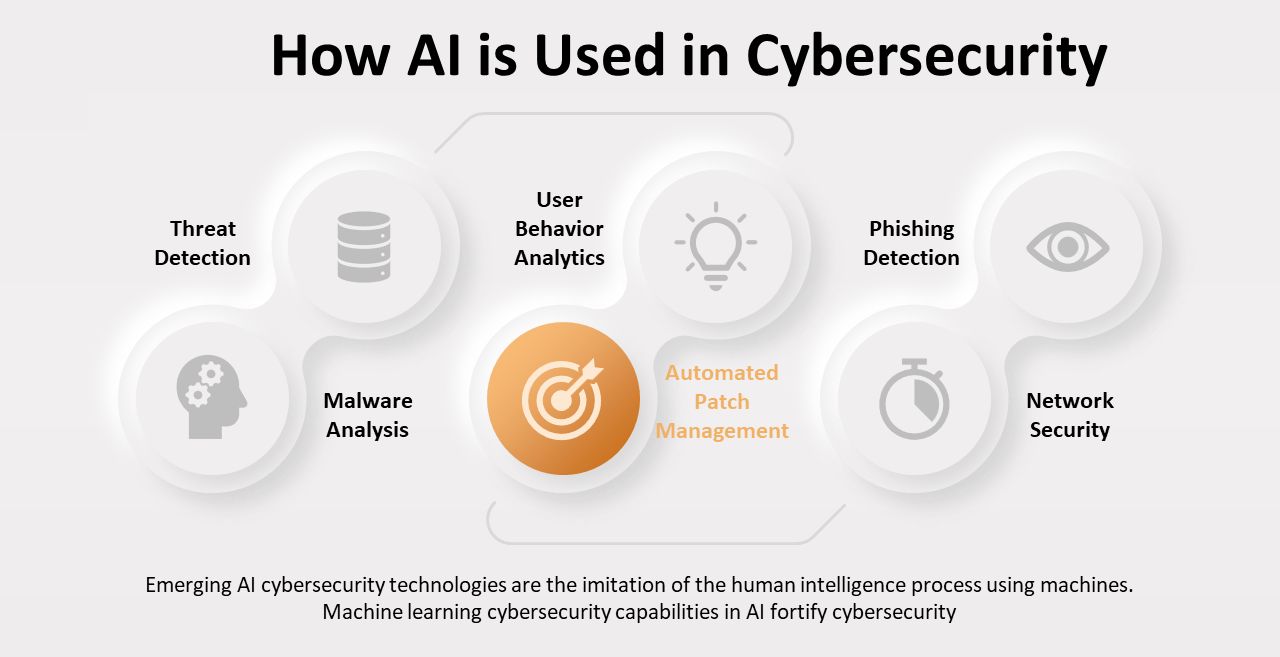
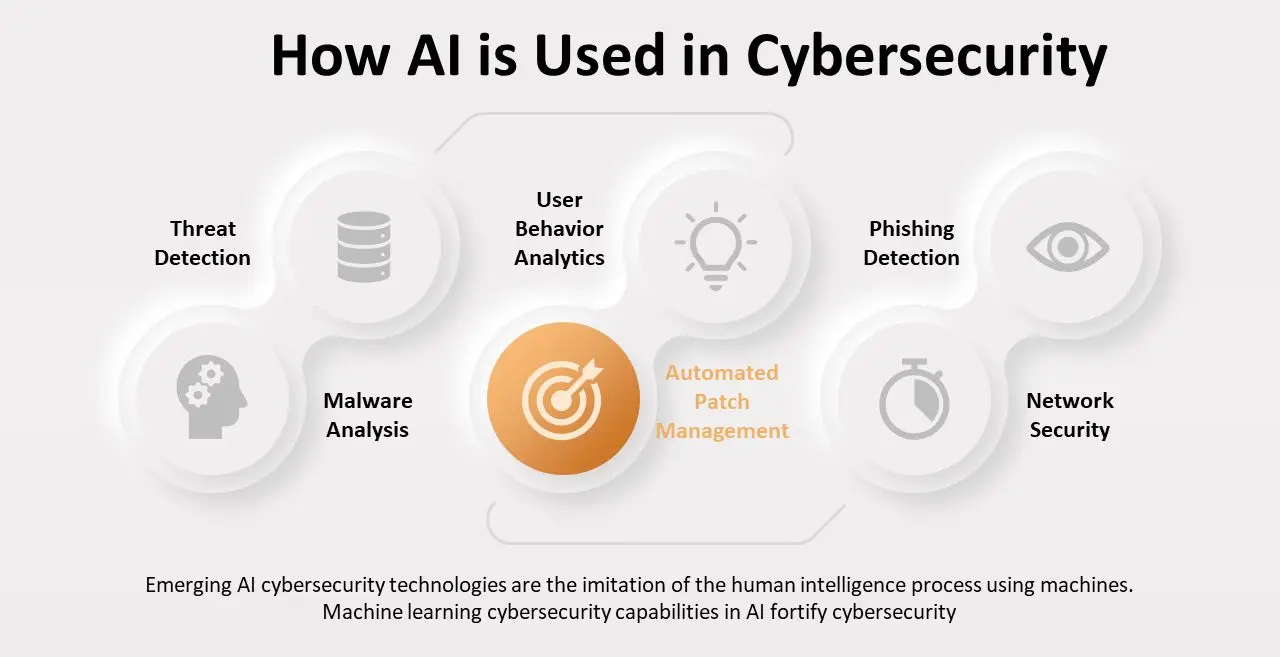
Artificial Intelligence (AI) revolutionizes cybersecurity messaging by enabling tailored communications based on user behavior and emerging threats. Predictive analytics can guide users to take proactive measures before attacks occur, fostering a culture of vigilance.
Tip: AI-driven email tools can effectively flag potential phishing attempts while educating users on recognizing such threats, enhancing their awareness and response capabilities.
Empowering communities to share insights significantly strengthens collective defenses against cyber threats. Platforms that facilitate threat sharing exemplify this collaborative approach, creating a sense of confidence among users.
Case Study: A global manufacturing alliance successfully reduced ransomware attacks by 25% through shared threat intelligence, demonstrating the effectiveness of community collaboration in cybersecurity efforts.
Incorporating behavioral insights into cybersecurity messaging enhances its effectiveness. Organizations can craft clear and actionable communications that drive better cybersecurity practices by understanding user decision-making processes.
The Trend: Companies use behavioral science to redesign phishing warnings, replacing vague alerts with specific guidance like “This email may be a phishing attempt. Avoid clicking on links.” This approach increased employee reporting of suspicious emails by encouraging thoughtful actions rather than fear-based reactions.
Cultural differences play a crucial role in how cybersecurity messages are received. Multinational organizations must adapt their strategies to align with local contexts for maximum impact.
Example: In Japan, cybersecurity messaging often emphasizes community and collective responsibility, reflecting cultural values prioritizing group welfare over individualism.
🔮 Future Outlook- Cybersecurity Challenges Ahead
It is predicted that 85% of successful cyberattacks will exploit human vulnerabilities rather than technical flaws by 2026.
The ongoing evolution of cybersecurity threats necessitates a dynamic approach to security messaging. According to MIT Technology Review, several emerging trends will shape future communication strategies:
Shifting to empowerment-based cybersecurity messaging requires a strategic approach. Here are five steps to guide businesses through the transition:
Analyze your existing communication strategies to identify fear-based elements. Replace alarmist language with actionable advice that addresses cybersecurity threats constructively. Ensure messaging emphasizes solutions and builds confidence in handling cybersecurity challenges.
💡 Tip: Focus on messages that highlight employee contributions to improving the organization’s security posture rather than just warning of digital attacks.
Develop engaging resources like webinars, infographics, and guides to educate employees on cybersecurity threats and practices. Focus on areas such as password management, phishing recognition, and secure use of cybersecurity platforms.
Checklist for Effective Training:
Customize cybersecurity communication based on employee roles and responsibilities. Technical teams may need advanced insights, while general staff benefit from relatable examples. Personalizing messaging enhances relevance and retention.
⚡ Example: Send role-specific guides on using cybersecurity platforms for IT teams and simple phishing awareness tips for non-technical staff.
Track metrics like training participation, phishing incident reductions, and feedback from employees to gauge the effectiveness of your approach. Behavioral changes, such as increased security incident reporting, indicate progress.
💡 Insight: Use post-training surveys to assess employee confidence and identify areas where messaging can be further refined.
Recognize and reward employees who demonstrate strong cybersecurity practices. Create opportunities for acknowledgment, such as security spotlights, awards, or leaderboards. Positive reinforcement encourages continuous engagement and inspires others.
Pro Tip: Establish a “Cybersecurity Ambassador” program where recognized employees mentor peers, fostering a stronger, empowerment-focused security culture.
By following these steps, businesses can transition to an approach that transforms cybersecurity challenges into opportunities for employee empowerment and resilience.
Cybersecurity messaging has evolved from fear-based cybersecurity threats to empowerment-focused strategies. This shift reflects growing cyber literacy and the need for proactive defenses. Businesses embracing empowerment messaging foster trust and resilience, creating a robust security culture. This strategic shift not only strengthens an organization’s security but also leads a fight against growing cybersecurity challenges.
At LexiConn, we recognize the critical need for organizations to stay ahead in the dynamic realm of cybersecurity. Our dedicated team of tech writers specializes in tracking the latest trends and threats in the cybersecurity space, delivering tailored content that resonates with both internal teams and external stakeholders.
To discover how we can elevate your content strategy in the face of evolving cyber threats, visit us at www.lexiconn.in or at book a free consultation
We also invite you to book a complimentary 30-minute consultation with our experts to explore how we can support your cybersecurity communication needs. Secure your meeting slot today and take the first step towards fortifying your digital defenses!

I have read and accept the Privacy Policy
Read More