

(Source)
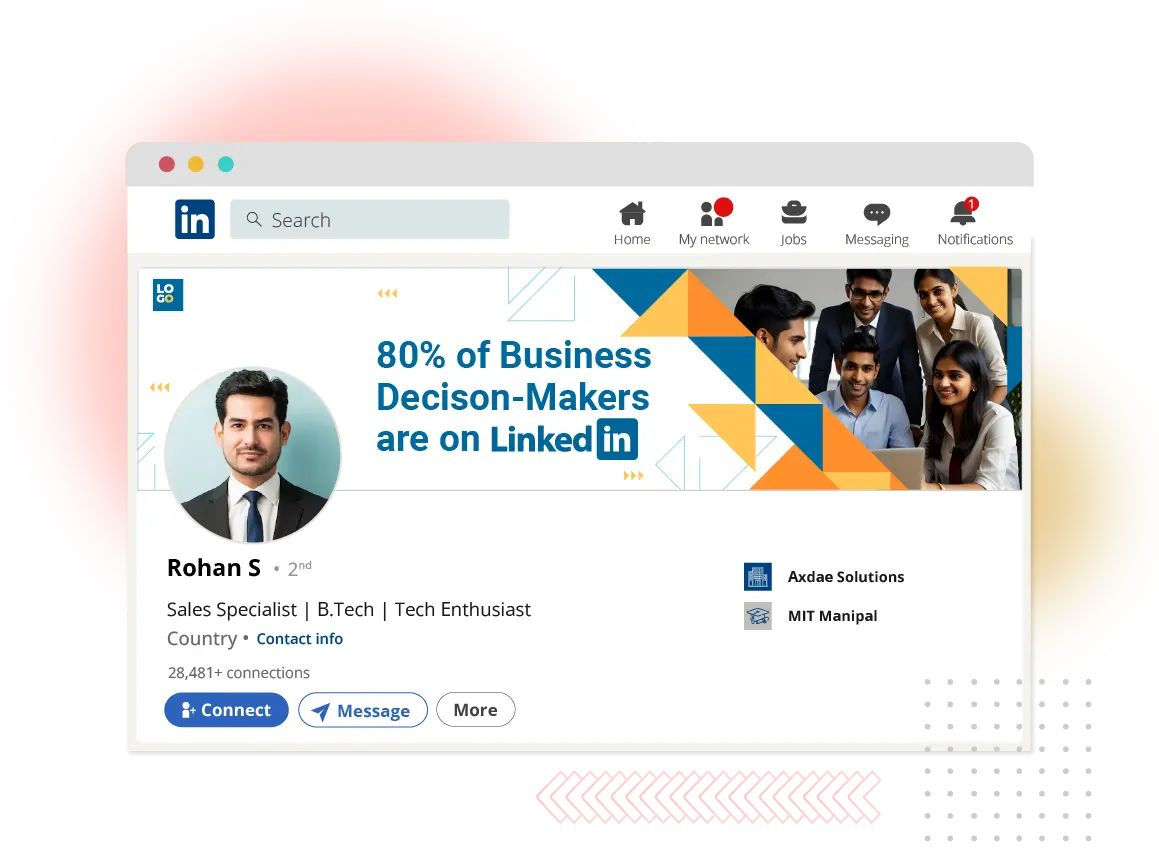
78% of business decision-makers say they're more likely to consider a brand whose executives have a strong professional presence on social media in 2025.
This paradigm shift has transformed how business leaders approach their online presence, making personal branding and executive positioning more crucial than ever.
For today's business leaders, maintaining a compelling online presence isn't just about visibility, it's about creating a strategic digital ecosystem that amplifies their influence and authenticity. As social media continues to evolve, successful personal branding strategies for 2025 must balance professional expertise with genuine engagement.
This comprehensive guide explores proven steps to build a strong personal brand on social media, helping executives drivine meaningful engagement.

(Source)
Platform Selection and OptimizationIn 2025's digital landscape, personal branding success heavily relies on strategic platform selection. LinkedIn remains the cornerstone of executive branding, with 92% of Fortune 500 executives maintaining active profiles. Here's how to optimize your platform presence:
1.1 LinkedIn DominanceYour social media influence should extend beyond LinkedIn while maintaining consistent personal branding across platforms:
Creating a seamless content flow requires:
A solid content strategy forms the backbone of social media influence. Leaders must craft content that resonates with their audience while demonstrating expertise and authenticity.
2.1 Thought Leadership ContentModern executive branding demands more than just company updates. Share:
Personal branding in 2025 requires leaders to share their journey authentically. This includes:
Focus on creating content that provides tangible value to your audience. This approach helps build a strong personal brand on social media by:
Building a magnetic online presence requires more than just content creation - it demands active engagement and community building.
3.1 Community DevelopmentFoster a vibrant community around your personal brand by:
Maintain engagement through:
Expand your influence by:

(Source)
Phase 1: Foundation Setting Brand Audit: The Foundation of Personal BrandingA thorough brand audit is crucial for establishing a strong online presence in 2025. Begin by conducting a comprehensive analysis of your current digital footprint across all platforms. This includes reviewing your LinkedIn profile, Twitter engagement, and any other professional social media channels.
Document your existing content, engagement rates, and audience demographics to establish a baseline for your personal branding journey.
Next, perform a competitive analysis by studying successful executives in your industry. Identify what makes their personal branding effective and note potential opportunities for differentiation. This analysis should inform your executive branding strategy and help you carve out a unique position in your industry.
Your brand voice and values should authentically reflect your leadership style and professional philosophy. Consider how you want to be perceived by your audience and what unique perspectives you can bring to industry conversations. This foundation will guide all future content and engagement decisions.
Strategy Development: Crafting Your PathWith insights from your brand audit, develop clear, measurable objectives for your personal branding strategy.
These might include:
Understanding your target audience is crucial for social media influence.
Create detailed persona profiles that include:
Content pillars are the cornerstone of successful personal branding strategies for 2025. Develop 3-5 core themes that align with your expertise and audience interests. These might include industry trends, leadership insights, company culture, or professional development.
Phase 2: Content Creation and DistributionContent Calendar: Structured for Success
A well-planned content calendar is essential for maintaining a consistent online presence. Structure your calendar to include:
Daily Posts:
Weekly Content:
Monthly Features:
Your engagement strategy should focus on building authentic relationships within your professional community. Develop clear guidelines for:
Response Management:
Community Building:
Remember that building a strong personal brand on social media requires consistency and authenticity.
Implementation Tips
(Source)
Authentic Storytelling: The Foundation of Executive BrandingIn the current scene, authentic storytelling has become the main ingredient of successful personal branding. Business leaders must master the art of sharing their journey in a way that resonates with their audience while maintaining professional credibility.
Personal experiences form the backbone of your social media influence. Share pivotal moments that shaped your leadership style, including both successes and challenges.
For instance, discuss how you navigated through difficult business decisions or implemented innovative solutions during crisis periods.
Your leadership journey narrative should highlight key milestones while connecting them to valuable lessons learned. This approach not only strengthens your online presence but also provides actionable insights for your followers. Consider creating a content series that chronicles your professional evolution, complete with practical takeaways for aspiring leaders.
Digital Thought Leadership: Establishing AuthorityTo build a strong personal brand on social media, thought leadership must extend beyond simple observations. Your content should:
Consider developing a consistent publishing schedule for your thought leadership content. This might include weekly LinkedIn articles, monthly industry reports, or regular video content that showcases your expertise while strengthening your branding strategy.
Visual Branding: Creating a Cohesive IdentityVisual branding in 2025 goes far beyond basic professional headshots. A comprehensive visual strategy should encompass:
Professional Photography:
Design Elements:
Your personal branding should maintain consistent visual elements across all platforms. This includes:
Brand Implementation:
Execute your visual strategy through:

Time Management is the Key
In the realm of executive branding, time management presents a significant challenge for business leaders striving to maintain a strong online presence.
Here's how to overcome this:
1.1 Content Batching ExcellenceCreating content in batches is crucial for personal branding strategies in 2025. Set aside dedicated blocks of 2-3 hours weekly to create multiple pieces of content simultaneously. This approach allows you to maintain consistency while efficiently managing your time. For instance, record multiple video insights, write several LinkedIn articles, or prepare social media posts in one focused session.
1.2 Strategic DelegationEffective personal branding often requires a support system. Consider:
Leverage technology to streamline your social media influence:
A robust content calendar is essential for building a strong personal brand on social media. Develop a structured approach that includes:
This systematic approach ensures your branding strategy remains cohesive and purposeful.
2.2 Brand Voice MaintenanceMaintaining a consistent brand voice is crucial for executive branding. Create comprehensive guidelines that outline:
Regular audience engagement is vital for social media influence. Develop a systematic approach:
Remember, successful personal branding in 2025 requires balancing automation with authentic engagement.
(Source)
Emerging Trends Reshaping Personal Branding 1.1 AI-Powered Personal Branding
As personal branding evolves in 2025, artificial intelligence has become an integral tool for executive branding. AI algorithms now help leaders analyze audience engagement patterns, optimize content timing, and personalize interactions at scale. Business leaders can leverage AI-powered tools to:
Virtual reality has transformed how business leaders build their online presence and engage with their audience. Through VR platforms, executives can create immersive personal branding experiences that transcend traditional social media boundaries. This technology enables leaders to host virtual keynotes, conduct interactive workshops, and participate in global networking events without geographical constraints.
1.3 Blockchain-Verified CredentialsIn the era of digital trust, blockchain technology has revolutionized personal branding strategies for 2025. Business leaders can now verify their achievements, certifications, and professional milestones through blockchain, adding an unprecedented layer of credibility to their personal brand. This verification system helps establish authentic social media influence and builds stronger trust with stakeholders.
Adaptation Strategies for Long-Term Success 2.1 Continuous Skill EnhancementTo maintain a strong personal brand on social media, leaders must commit to ongoing learning. This includes:
Modern personal branding demands a tech-savvy approach. Leaders should evaluate and integrate new tools that enhance their online presence while maintaining authenticity. This might include:
Building a magnetic online presence requires strategic network growth. Leaders should focus on:
To successfully implement these future-proofing strategies, business leaders should:
Building a magnetic online presence requires strategic planning, consistent execution, and authentic engagement. As we progress through 2025,
Success lies in balancing professional expertise with personal authenticity.
Want to elevate your personal brand and executive presence? LexiConn offers expert content strategy and personal branding services to help you stand out in the digital space.
Visit us at www.lexiconn.in or book a free consultation.
LexiConn also offers a FREE 30-minute content consultation session to help you with your content strategy.
I have read and accept the Privacy Policy
Read More