

(Source)
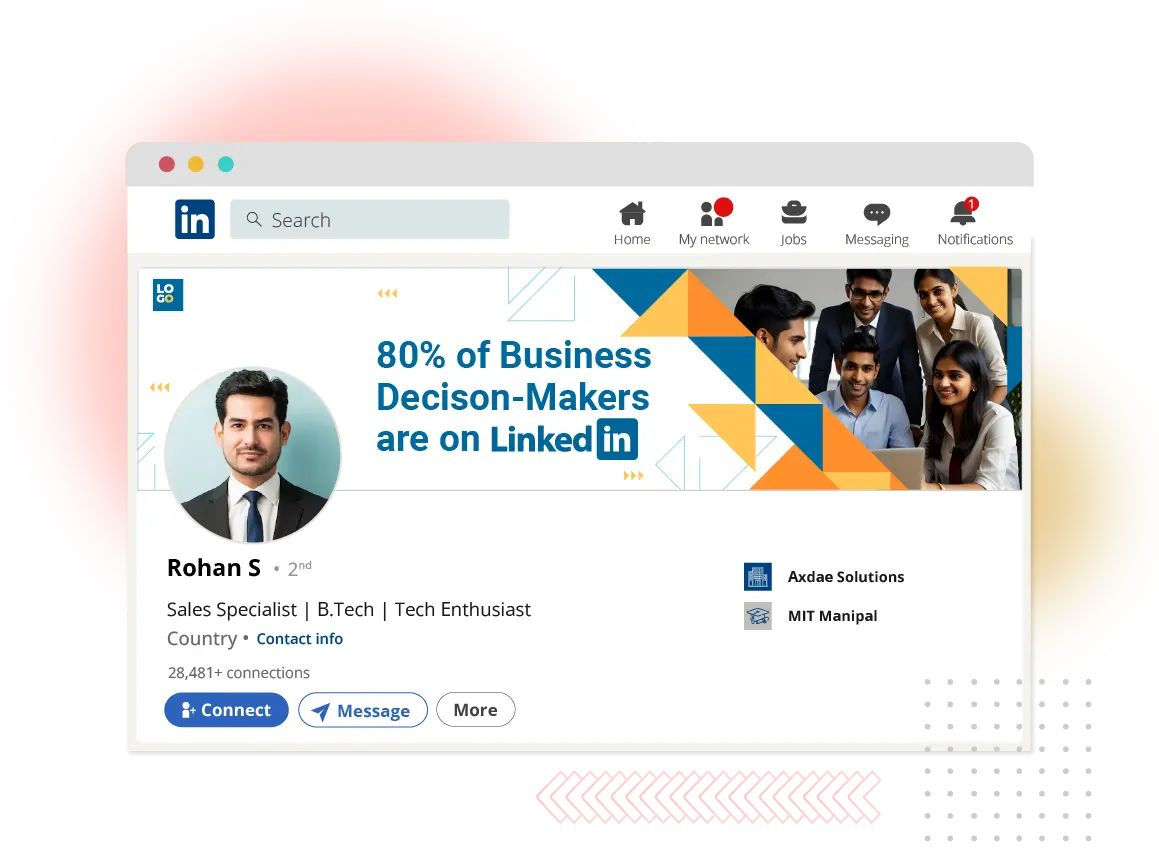
Social media is no longer just a marketing tool, it’s a powerful platform for CEOs and founders to amplify their voices, establish thought leadership, and drive brand awareness. Gone are the days when executives could afford to stay behind closed doors. Today, CEO branding and executive social media are essential components of modern business leadership. By leveraging the right platforms and strategies, business leaders can not only elevate their personal brands but also create a ripple effect that enhances their company’s reputation.
The following blog will explore how CEOs and founders can effectively use social media to build their personal brands, engage with audiences, and drive meaningful business outcomes. A well-structured social media plan is the foundation for all of this, our guide on mastering social media strategy for digital engagement is the right starting point. For leaders who want to build genuine influence rather than just visibility, our article on social media thought leadership for business leaders provides the blueprint. And for hands-on content guidance, our seven tips for writing an effective social media content strategy will help you post with purpose.
In the digital age, trust is currency. Consumers are more likely to trust a brand whose leaders are visible and transparent on social media. Platforms like LinkedIn and Twitter (now X) allow CEOs to share their thoughts, values, and vision directly with their audience. This fosters authenticity, which is a cornerstone of trust.
When CEOs actively engage on social media, they become ambassadors for their companies. Their posts can reach audiences far beyond traditional marketing channels, creating organic visibility for the brand. This is particularly important for startups or smaller companies looking to punch above their weight.
A strong executive presence on social media can also serve as a magnet for top-tier talent. Potential employees are drawn to leaders who showcase their company’s culture, values, and mission online.
Creating a personal brand as a CEO is not just about self-promotion; it’s about aligning your online persona with your company’s mission while staying authentic. Here’s how you can get started:
Your personal brand should reflect your values, expertise, and leadership style. Ask yourself:
For example:
Not all social media platforms are created equal. Choose platforms that align with your goals and audience:
To maintain consistency and relevance, focus on two or three core themes that resonate with your audience:
These themes will guide your content strategy and ensure that your posts align with your personal brand.
As a business owner or founder, your time is limited. However, investing in social media can yield significant returns if done strategically. Here are some actionable tips:
Authenticity is the foundation of effective CEO branding. Share personal stories or challenges you’ve faced as a leader, it makes you relatable and humanizes your brand.
Social media is not just about broadcasting; it’s about building relationships. Respond to comments, participate in discussions, and acknowledge user-generated content (UGC). This creates a sense of community around your brand.
Visuals like infographics or short videos perform exceptionally well across platforms. They are engaging and easy to consume.
Consistency is key when it comes to building an impactful presence on social media. Irregular posting can make you appear disengaged or uninterested in connecting with your audience.
Thought leadership is about establishing yourself as an expert in your industry while providing valuable insights that inspire others. For CEOs and founders, this can significantly enhance both personal and corporate branding. According to research, 77% of consumers are more likely to buy from a company whose CEO actively engages on social media. This demonstrates the power of thought leadership in driving business outcomes.
Example:
Adena Friedman, CEO of Nasdaq, frequently shares her perspectives on financial markets and leadership via LinkedIn posts and articles. This not only bolsters her personal brand but also positions Nasdaq as a thought leader in the financial sector.
Storytelling is one of the most effective ways to connect emotionally with your audience. As a CEO or founder, your stories can humanize your brand, making it more relatable and memorable.
Kait Stephens, CEO of Brij, uses LinkedIn to share personal insights and behind-the-scenes moments from her company’s journey. Her authentic storytelling has helped her build a strong personal brand while fostering trust among her audience.
As a business owner or founder, managing social media may seem daunting given your busy schedule. However, with the right approach, you can create impactful content without it becoming overwhelming.
Different platforms serve different purposes:
Focus on platforms where your target audience is most active.
Your content should align with your personal brand while delivering value to your audience:
Consistency is key to maintaining an active presence on social media:
Social media isn’t just about broadcasting, it’s also a powerful tool for networking. CEOs who actively engage on platforms like LinkedIn can connect with industry peers, potential partners, and even customers.
Example:
After the pandemic, nearly 74% of Fortune 500 CEOs became active on social media platforms like LinkedIn and Twitter (X). This shift has created new opportunities for networking and collaboration across industries.
Different social media platforms cater to different audiences and content types. As a CEO or founder, tailoring your approach to each platform is crucial for maximizing impact.
LinkedIn is the go-to platform for executive social media and professional networking. It’s ideal for sharing thought leadership content, connecting with industry peers, and showcasing company culture.
Best Practices:Thasunda Brown Duckett, CEO of TIAA, uses LinkedIn consistently to share her thoughts on leadership and diversity while celebrating her team’s successes.
Twitter is perfect for real-time updates, industry commentary, and engaging in conversations with a broad audience.
Best Practices:Elon Musk’s frequent tweets about Tesla and SpaceX not only generate buzz but also position him as an innovative leader.
Instagram is ideal for showcasing the human side of your brand through visuals and stories.
Best Practices:Richard Branson uses Instagram to share photos of his adventures alongside updates about Virgin Group’s initiatives.
Regardless of the platform, the quality of your content determines its effectiveness. Here are some universal tips for creating impactful posts:
The first few seconds of a video or the opening lines of a post should grab attention immediately.
Every post should offer something valuable, whether it’s an insight, a tip, or an inspiring story.
Incorporate images, infographics, or videos to make your posts more engaging.
Encourage your audience to engage by asking questions or inviting them to share their thoughts.
Social media is no longer just an optional tool, it’s an essential platform for CEOs and founders aiming to build their personal brands while driving business growth. By focusing on authenticity, consistency, and strategic engagement across platforms like LinkedIn, Twitter (X), and Instagram, business leaders can amplify their voices and connect meaningfully with their audiences.
Whether you’re looking to establish thought leadership, showcase company culture, or engage directly with stakeholders, the right social strategy can make all the difference. Remember that effective CEO branding is about more than self-promotion, it’s about adding value, fostering trust, and building lasting relationships.
At LexiConn Content Writing Services, we specialize in helping business leaders craft impactful social media strategies tailored to their unique goals.
Visit us at www.lexiconn.in or book a free consultation for expert guidance on enhancing your executive presence online! Don’t forget, we also offer a FREE 30-minute consultation session to help you get started on your journey toward social media success!
I have read and accept the Privacy Policy
Read More