
So, you’ve heard the buzz about content marketing. Everyone’s doing it. Everyone’s thriving because of it. You open your laptop, ready to dive in… and suddenly, it hits you: Where do I even start?
Here’s the thing: you don’t start by creating more content. You start by understanding the content you already have. Enter the content audit, a step that most skip but is absolutely crucial if you want your content marketing efforts to actually go somewhere.
A content audit is like opening the map before a road trip. It shows you where you are, what’s working, and what’s not. It’s not about creating more for the sake of it, it’s about identifying gaps, optimizing strengths, and aligning everything with your goals.
Before you write another blog post or invest in yet another social media campaign, pause. Let’s audit your website, your social channels, and your downloadable resources. Trust me, it’s the foundation your strategy has been missing.
Not sure where your content stands? Check the Content Health Score for your existing content here, because knowing your starting point is the first step to a winning strategy.
Think of a content audit report as the blueprint for your content kingdom. It’s a strategic review of your entire digital footprint, analyzing blogs, web pages, and social media through the lens of performance, relevance, and alignment.
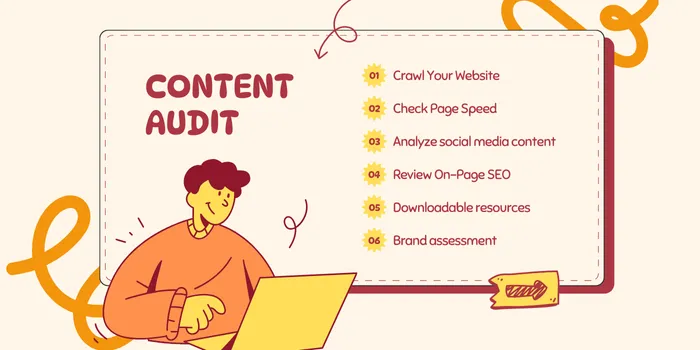
The content of an audit report isn’t just about listing assets; it’s about discovering patterns, improving engagement, and optimizing your marketing ROI.
Most of us treat our content the way we treat old receipts, stuffed in a drawer, forgotten, and only dug out when we’re in a pinch. That’s where a content audit report comes in.
1. Data-Driven Decision MakingHere’s the deal: You can’t fix what you don’t measure. A thorough content audit shines a spotlight on your digital assets, turning guesswork into actionable insights.
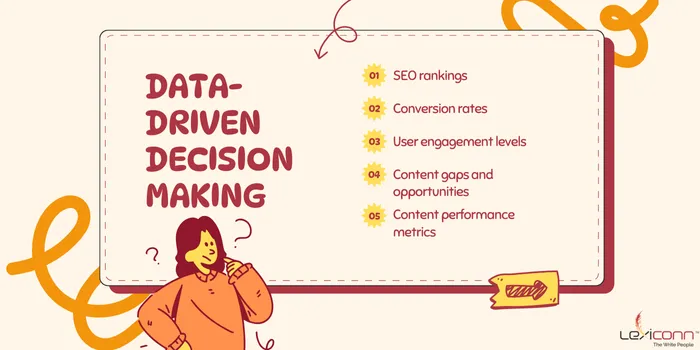
Using modern auditing tools like SEMrush or Ahrefs, you can dissect key performance metrics like:
The content of an audit report doesn’t just give you data, it gives you direction. It’s not just about how to do an audit but how to strategically refine your efforts. From identifying underperforming blog posts to spotlighting star content, tools like SEMrush’s content audit feature guide you through the auditing format to optimize every piece.
When you audit your website, you’re not just ticking boxes; you’re laying the groundwork for a smarter, sharper strategy audit.
Now, go ahead. Open that metaphorical drawer. Your content is waiting.
2. Enhanced Content Organization and StructureImagine your content as a messy wardrobe: shirts tangled with scarves, shoes with no pairs, and a hat you’re not sure you even bought. That’s your website before a content audit.
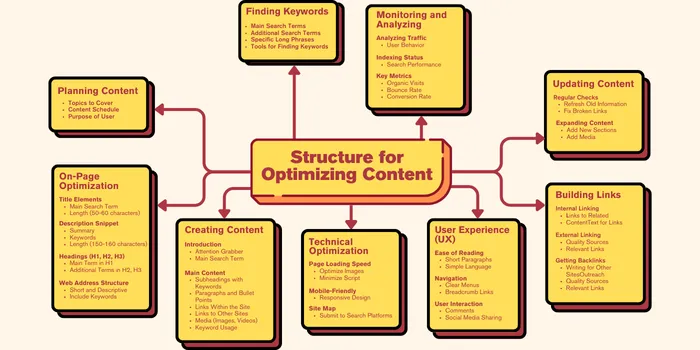
Now, grab a content audit template, or an audit image if you’re feeling extra visual, and start sorting. Suddenly, things make sense.
Here’s what happens when you audit your website:
A content of audit report doesn’t just give you clarity; it gives you control. Think of it as your digital Marie Kondo moment. And if you need inspiration, there are plenty of content audit examples out there to show you the way.
Organizations often find that their web content inventory reveals more than just gaps, it uncovers missed opportunities and shows how their stories can connect better. So, whether you’re mapping it out on a spreadsheet or visualizing it with a content audit example, the result is the same: a wardrobe (or website) that finally works for you.
3. Improved SEO PerformanceIf your website’s SEO is like an old house, good bones, but the plumbing could be questionable, and the roof might be leaking. That’s where a content audit steps in, your trusty renovation crew.
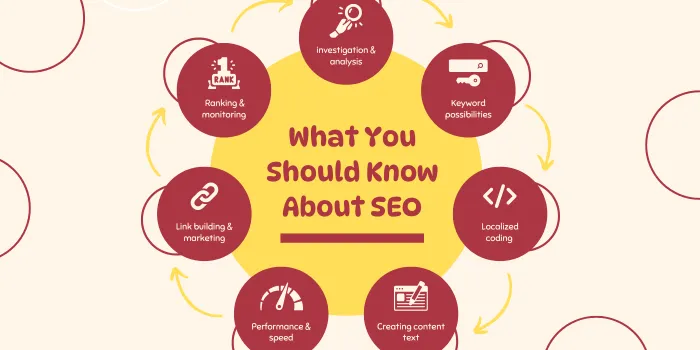
Armed with an SEO content audit tool or a sleek SEO content audit template, you can:
Website audit examples are full of stories where a few tweaks, like adding internal links or optimizing titles, completely transformed search rankings. So, if you’re wondering how to audit my website, start with a checklist and let the magic happen.
Because sometimes, all your site needs is a little TLC (and a lot of auditing tools) to shine like the gem it’s meant to be.
4. Better Resource AllocationLet’s talk about your content budget, the one that probably feels like a leaky bucket. Patching the holes? That’s where a website audit template Excel or audit tool template comes in handy.
Here’s what happens when you get serious about understanding your content landscape:
When you’re armed with insights from an audit image or a proper content audit template, you stop wasting time on content that’s just... there. Instead, you double down on what’s driving results.
5. Enhanced User ExperienceHave you ever walked into a shop and immediately wanted to leave because the layout made no sense? That’s your website, pre-audit. From a content audit UX perspective, it’s all about making your content a joy to consume.
Here’s how auditing tools can help you create a seamless experience:
When you audit your website with user experience in mind, you’re not just improving usability; you’re keeping your audience around long enough to convert them.
6. Strategic Content PlanningPlanning your content without an audit is like trying to bake a cake without checking the pantry first. You need to know what you’ve got before whipping up something new.
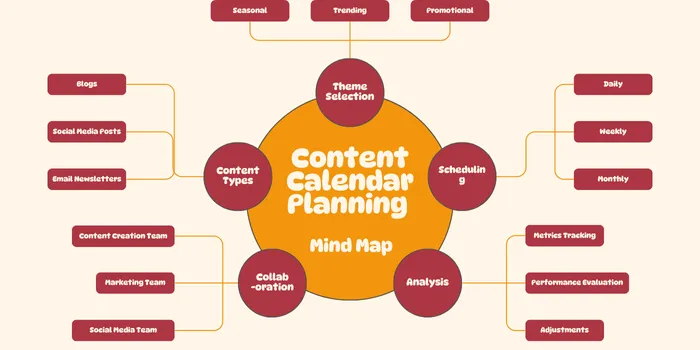
When your strategy starts with an audit, every move is deliberate, every resource is maximized, and every piece of content has a purpose.
So, if you got a burning desire to DIY? Go for it, just check your Content Health Score here to see where you stand. But if it’s all Greek to you, Lexiconn’s got your back.
7. Competitive AdvantageYour competitors aren’t standing still, so why should you? A strategy audit example can reveal exactly where they’re thriving, and where they’re falling flat. When you run a proper audit for IT and digital assets, here’s what you uncover:
It’s not just about playing catch-up. It’s about outsmarting them at their own game. And the best part? Your content audit report becomes your battle plan.
8. Improved Content Quality and ConsistencyEver read a brand’s content and thought, “Who wrote this, three different people on three different days?” That’s the opposite of consistency. A content audit checklist or audit form example makes sure your content feels seamless, cohesive, and professional.
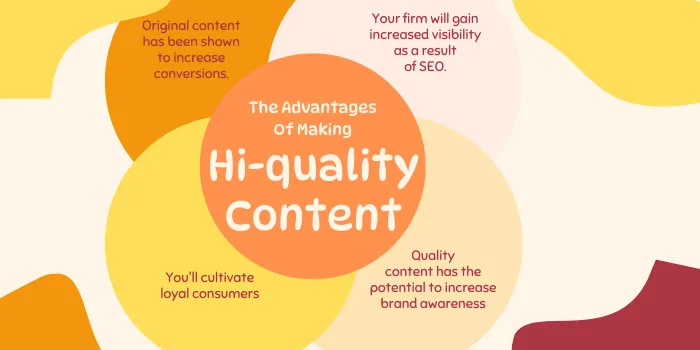
Here’s what it helps you achieve:
When every piece of content is aligned, your audience notices. And trust me, that’s half the battle won.
9. Better Asset ManagementDigital clutter is real. If you’ve ever spent 15 minutes hunting for a file named “finalfinal_v2_revised,” you know the struggle. Viewing your content inventory example through an audit image perspective changes the game.
With the help of IT auditing tools, you can:
Think of it as Marie Kondo for your content. When your assets are in order, everything else runs smoother.
10. Enhanced ROI MeasurementIf you’re not measuring ROI, you’re not marketing, you’re guessing. A thorough audit gives you the tools to track what’s working, what’s not, and how to fix it. With audit tools examples in hand, you can:
The result? You stop wasting resources on low-performing assets and focus on what drives real value. Your site audit meaning isn’t just maintenance, it’s money well spent.
Now that we understand the benefits, if you’re wondering how to audit my website without losing your sanity, here’s the lowdown:
Content auditing is the part where you pull back the curtain, look your content in the eye, and ask: Why are you here? What are you doing for me?
At Lexiconn, we’ve done this for businesses across industries, helping them turn scattered content into a cohesive, ROI-driven powerhouse. Whether it’s pinpointing underperforming assets, refining SEO, or aligning content with brand goals, we’ve seen the transformative power of a well-executed audit.
Here’s the thing: a content audit isn’t just a to-do list item, it’s a power move. Whether you’re looking at a strategy audit example or using fancy auditing tools examples, the goal is the same: transformation.
It’s not about filling out forms or pretending to be busy with a content audit template. It’s about making your content work. Every insight gained, every piece optimized, every gap filled, it’s all fuel for a stronger, sharper content strategy.
Start small. Use the right tools (content audit tools or SEO content audit template), and take it step by step. Your content audit isn’t just a chore, it’s your secret weapon for better engagement, higher conversions, and a noticeable boost in ROI.
If your digital strategy feels like it’s running on fumes, let’s talk. At Lexiconn, we turn content chaos into SEO-driven clarity. From crafting your content inventory example to full-scale content audit UX optimization, we’ve got you.
Book a Meeting | Best Content Writing Agency, because your content deserves to shine.

I have read and accept the Privacy Policy
Read More
Need help with your content audit? LexiConn has been India's B2B content partner since 2009. We audit websites for SEO gaps, content quality, and compliance issues. Explore our content audit services →