
Technical case study writing services,
written as evidence.
B2B case studies and customer success stories for technology, engineering and financial services companies. Our case study writers interview the people who did the work, trace every figure to its source and clear every name before it appears.
Brands that trust LexiConn for business case studies







What our case study writers deliver.
One story, written for the reader who has to believe it.

Customer success stories
Two pages a sales team can send before the call.
Customer success stories ›
Technical case studies
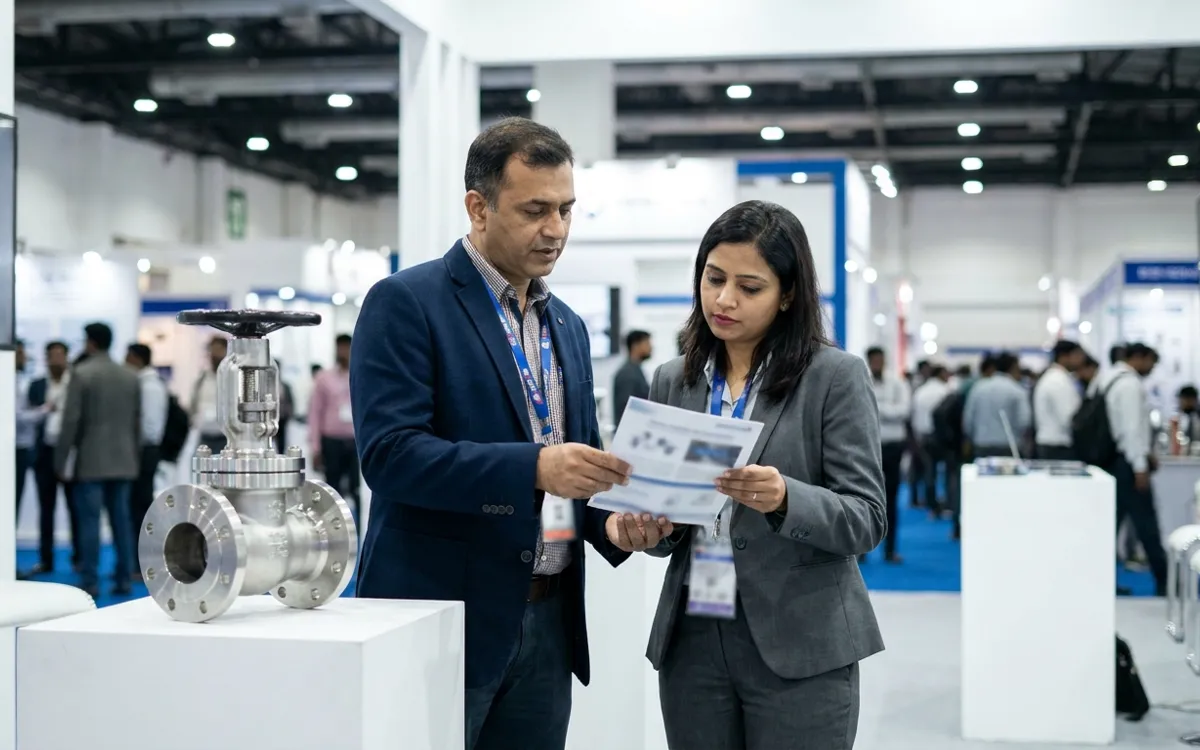
Cloud, IoT and engineering projects, explained so a buyer follows them.
Technology content ›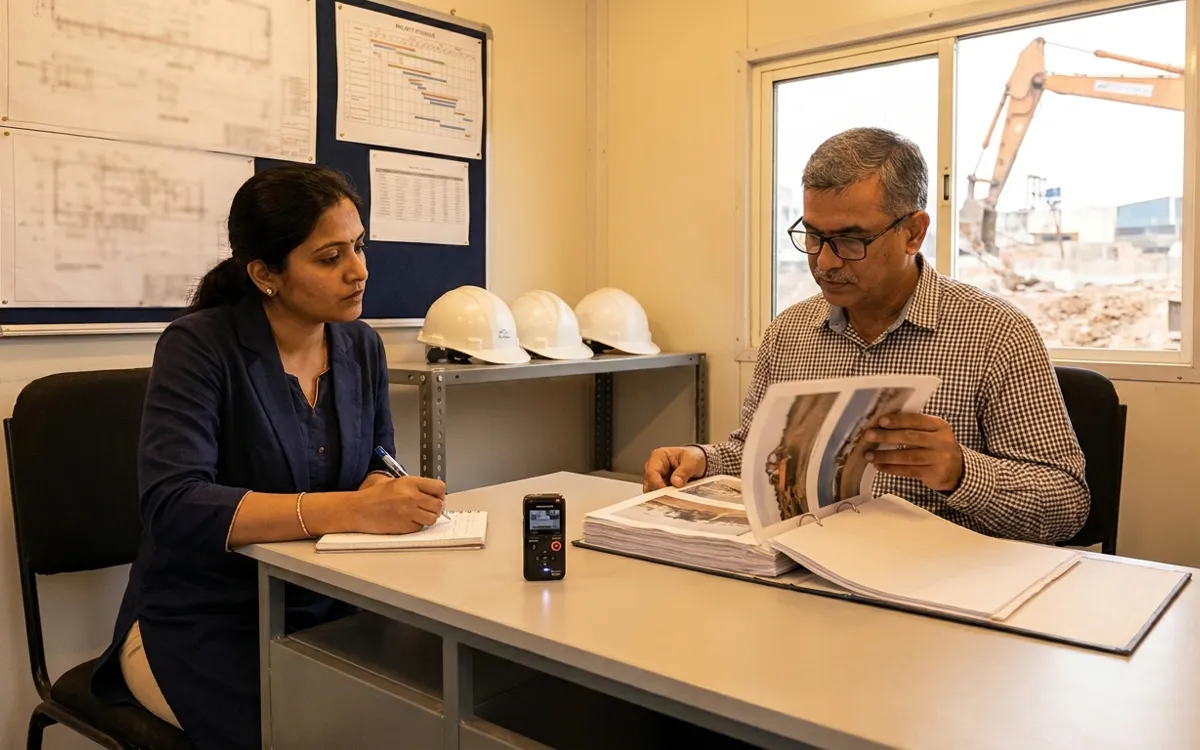
Internal case studies
Long records of how a project was done, written from staff interviews.
How we ran long case studies ›
Case studies without names
Proof you can publish under an NDA, with names added once approved.
Case studies in regulated sectors ›B2B case studies we have written.
For a recruitment platform, a cloud company, an aftermarket software firm and an Aditya Birla group company.

We also wrote technical case studies and customer success stories for Siemens, across Siemens Limited, Siemens Financial Services and Siemens Technology and Services, from 2011 to March 2026.
Read one of ours
before you hire us.
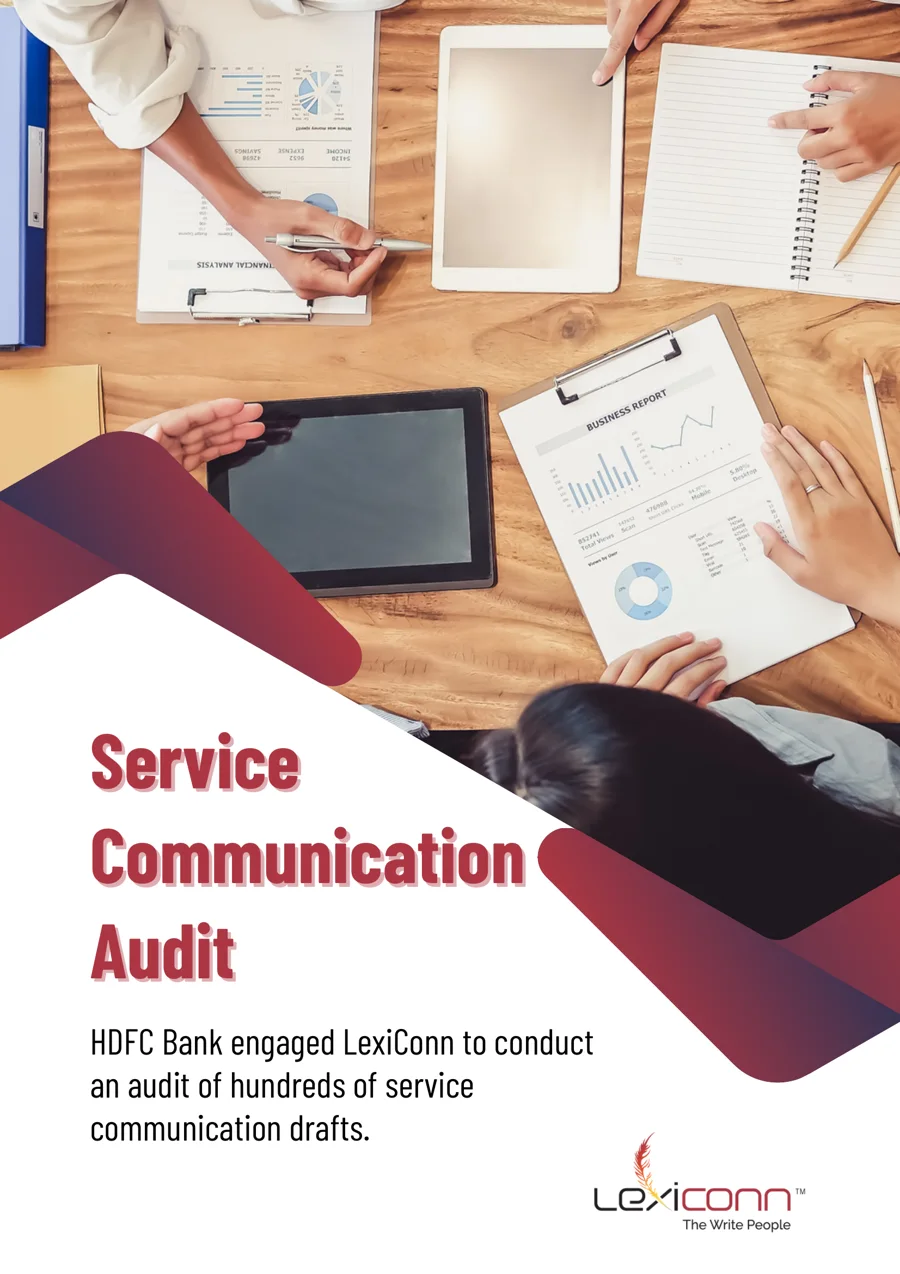
We write our own case studies the same way. This one, about our audit of HDFC Bank's service letters and emails, states the constraint, the work and what it does not claim.
The constraint. 200+ drafts of emails and letters from different departments of the bank: welcome emails for new accounts, locker rent letters, credit card payment reminders, Term Deposit renewal letters and loan sanction emails.
The work. Each draft passed through three layers: an audit against the parameter set, an edit for readability, reading ease and grammar, and a final review by the Project Head. Sentiment was scored before and after on every draft.
What it does not claim. No conversion figure. The decision to deploy sat with the bank: its Quality Control teams ran their own analysis of each document before any revised draft went live.
Most case studies read like testimonials.
Buyers can tell.
A case study is evidence, not a testimonial. The difference shows up in what it contains. A testimonial says the client was delighted. A case study states the constraint they were working under, the number before, the number after, and what was tried that did not work.
Leads grew 3x after the new platform went live.
Over what period, from what base, counted how? State the basis or drop the number.
Our industry-leading solution transformed their operations.
Say what changed in their operations, and who measured it.
The first draft named the vendor a stakeholder blamed for a complex timeline.
Not approved for publication. Rewritten in about ten minutes: same explanation, no name.
The first two are illustrative lines, not client copy. The third is real: our QC caught it during six months of 3,000 to 5,000-word case studies. Read how we ran them.
That last part is what makes the rest believable. A prospect who has run the same project knows there were false starts, and a document without any reads as marketing. Our writers interview the people who did the work rather than the people who sold it, and our editors send back any figure that arrives without a source. In regulated sectors the bar is higher still: a performance claim needs its basis stated, and a client name needs written approval before it appears anywhere.
“All descriptions, claims and comparisons, which relate to matters of objectively ascertainable fact, should be capable of substantiation.”The ASCI Code, Chapter I, Advertising Standards Council of India. A published case study is marketing, so its claims are held to this.
How a case study gets written.
Six checks before you see it.
Interviews are recorded and transcribed with AI, and AI speeds up research and first drafts. A person checks every figure, quote and name, and signs off.
- Define what the story can proveThe audience, the project, the people who can give evidence and the facts that may be published. A brief goes back if the story depends on an outcome nobody measured.
- Review the evidenceProject notes, decks, reports and approved metrics. Every claim, date, figure, quote and name is logged with its source and clearance status.
- Interview the people who did the workThe starting situation, the constraints, the decisions, the work and the result. We follow up when two accounts conflict.
- Set the point of viewProduct experts and marketing agree the central message. The editor checks the story is not a list of achievements.
- Draft and reviewAn editor checks structure, a subject reviewer checks technical detail, and your approval owner checks naming, quotes and outcome language.
- Verify, then cut for every channelPermissions, captions, links and every figure checked once more after design. Then short versions for social media, email and the sales team.
The full process, step by step
1. Define what the story can prove
The process starts by defining what the case study can prove. The brief identifies the audience, the project or situation being covered, the people who can provide evidence, and the facts that may be published. The account lead also records confidentiality limits and approval owners. A brief goes back when the proposed story depends on an outcome that has not been measured, a client has not cleared participation, or no stakeholder can verify the account.
2. Review the evidence
Next, the writer reviews the available material. This may include project notes, presentations, reports, interview transcripts, approved metrics, and product information. Gaps become interview questions. The writer does not assume that a sales deck or internal summary is publication-ready evidence. Claims, dates, figures, quotations, and names are logged with their source and clearance status.
3. Interview the stakeholders
Stakeholder interviews focus on the sequence of events: the starting situation, the constraints, the decisions made, the work completed, and the observed result. The writer asks for specific examples and follows up when two accounts conflict. If a participant cannot support a statement or does not want it published, that material is excluded or rewritten at a level the reviewer approves.
4. Set the point of view
The outline sets the point of view and decides what the reader needs to understand. The editor checks that the story is not a list of achievements, that the challenge is supported, and that the proposed outcome follows from the evidence. Outlines are sent back when they hide the implementation work, overstate the role of one party, or rely on a result without explaining how it was established.
5. Draft and review the story
The writer then prepares the draft using only cleared material. Editorial review checks structure, clarity, repetition, and whether the narrative distinguishes fact from interpretation. The subject-matter or project reviewer checks technical detail and sequence. The client or approval owner checks confidentiality, naming, quotations, and outcome language. Any figure that changes during review is traced back to its source rather than adjusted by approximation.
6. Resolve review comments
The writer resolves each review comment. Typical send-backs include unsupported superlatives, missing context around a result, quotations that do not match the interview, unexplained terminology, and confidential operational detail. Any material removed is recorded.
7. Verify the final version
The final check covers factual consistency, permissions, captions, links, formatting, and the approved version of every quotation and figure. If visual design is included, the proof is checked once more to ensure charts, callouts, and shortened labels have not changed the meaning. The final case study is delivered only after the evidence, wording, and presentation agree.
The story follows a challenge-action-outcome structure while balancing relevant detail with concise, focused writing. The distribution stage condenses case study messages into platform-specific snippets for social media, email, and other channels.
Want to see our work before you commit? Start with a paid pilot page for your case study.
B2B case study writers,
since 2009.
LexiConn is a Mumbai B2B content agency, writing since 2009, that writes technical case studies and customer success stories for technology, engineering and financial services companies. Our writers learn a new subject for each case study, so the process supplies what the expertise would: source documents, interviews with your experts, and sign-off by an expert on your side for technical pieces.
Case studies are often where a longer engagement starts. Internal case studies for an Aditya Birla group company ran as a retainer, and Siemens had us on case studies, white papers and articles for years. See our financial services work. See how we work.
What does your team need?
Pick a team to see how a case study works for it.
Sales. Equip your sales team with case studies to address objections and close deals more effectively.
Marketing. Create downloadable case studies to capture leads and nurture them through the buyer's journey.
Leadership and L&D. Keep a record of how big projects were done, and teach from it.
By sector. Case studies written for the reader in your industry.
Types of business case studies we write.
- Problem-SolutionThese showcase how a company solved a specific problem for a client. Writers focus on detailing the challenge, solution, and results.
- Success StoryHighlighting a client's journey to success using a product or service. These narratives demonstrate real-world impact and measurable outcomes.
- ImplementationDetailing the process of implementing a solution. These documents provide insights into project management and execution.
- ComparativeAnalyzing multiple scenarios or solutions side-by-side. This format involves presenting contrasts and drawing evidence-based conclusions.
- ExploratoryInvestigating a new or little-understood phenomenon. These explorations often lead to further research questions.
- ExplanatoryFocusing on explaining the causal relationships in complex situations. Writers delve deep into the "why" and "how" of events.
- DescriptiveProviding detailed accounts of specific situations or events. These descriptive analyses offer rich, contextual information.
- LongitudinalExamining changes over an extended period. These are used to show long-term impacts and trends over time.
- RetrospectiveLooking back at past events to gain new insights. These retrospective analyses often involve historical evaluation and reflection on outcomes.
Questions about case study writing services in India.
What does a case study writing service include?
A brief that fixes what the story can prove, a review of your project material, interviews with the people who did the work, an outline, a draft for your review, revisions and a final check of every figure, quote and permission. Infographics, design and short versions for email and social media can be added.
Who do you need to interview?
The people who did the work, not the people who sold it. Usually that is the project lead on your side and, where the client agrees, the owner on theirs. We ask questions live rather than send a questionnaire, record the call and work from the transcript. Every quote goes back to the person quoted for approval before it is published.
Can you write a case study if we cannot name the client?
Yes. We work under an NDA as standard. A process-only version explains how the work was done with no sector and no numbers. A sector-anonymised version adds the problem and the result under a broad label, such as a life insurer or a manufacturer. Names, logos and outcome figures appear only after the client's written approval, so we plan the anonymous version first and approval never holds up publication.
Do you write technical case studies for B2B technology and engineering companies?
Yes. We have written nine cloud and IoT case studies for PiServe, a customer success story for Taggd and technical case studies for Siemens. We do not pretend to be engineers: we work from your source documents and interviews, and technical pieces go back to an expert on your side for sign-off before publication.
How long should a case study be?
It depends on who reads it. A customer success story for a sales team should fit on one or two pages, so a buyer reads it before the call. The internal case studies we wrote for an Aditya Birla group company ran to 3,000 to 5,000 words each, because they were records of how a project was done, not sales pieces.
Can case studies be ongoing work rather than a one-off?
Yes, and for larger companies they usually are. We wrote internal case studies for an Aditya Birla group company as a retainer over six months, and we wrote case studies, white papers and other content for Siemens from 2011 to March 2026.
More questions about case study writing
How can I avail of your case study writing services?
To engage LexiConn's case study writing service, share the purpose, target audience, and any specific data or insights to be included. The team assesses requirements during a discovery call and guides the project from there.
What is included in your case study writing package?
LexiConn's case study package includes research, professional writing, editing, formatting, and revisions. Optional add-ons such as visuals, infographics, and design elements are available to enhance the final deliverable.
How will business case studies help my brand?
Case studies build brand trust by showcasing real-world problem-solving and demonstrating measurable results. They provide potential clients with concrete proof of value and highlight the company's expertise through relatable success stories.
Do you provide business case studies tailored to specific industries?
LexiConn creates industry-specific case studies for sectors including technology, engineering and financial services. Each case study is customized to reflect the particular challenges and solutions relevant to that industry.
What is the process for writing a case study?
LexiConn's case study process includes an initial consultation, targeted research and data collection, draft writing with client review, and final proofreading and formatting before delivery.
Can I review the draft before finalizing the case study?
Yes, LexiConn provides a first draft for client review before finalization. Clients can request revisions and provide feedback to ensure the case study meets their expectations.
Are visuals and design included in the case study writing package?
Yes, LexiConn offers optional visual add-ons including infographics, charts, and custom design layouts to make the case study more visually engaging. These can be requested during the initial consultation.
Can case studies help improve my website’s SEO?
Yes, case studies improve website SEO when optimized with relevant keywords and structured for search engines.
Why should I choose your professional case study writers?
LexiConn's case study writers specialize in transforming complex data and project details into compelling narratives. The team delivers polished case studies that resonate with target audiences and support sales efforts.
What types of businesses can benefit from case study writing services?
LexiConn's case study services work for businesses of all sizes, from startups to enterprises. Each case study is tailored to the client's industry to ensure it addresses the right audience with relevant challenges and outcomes.
How do you handle technical case studies under strict NDAs?
We publish proof without names. A process-only case study explains how the work was done: the inputs, steps, checks and outputs, with no sector and no numbers, so it needs no client consent. A sector-anonymised version adds the problem and the deliverable under a label broad enough to cover many firms. Outcome figures appear only as ranges the client has approved in writing, and names or logos need the client's legal and marketing sign-off. We plan the anonymised version first, so waiting for approval never blocks publication.
Google asks whether a page offers original information, reporting, research, or analysis. A case study built on your own project data is exactly that.
How we think about case studies.


Start small. Then scale.
Start with one case study on a project you are proud of. If it works, we can write them every month, made with AI and signed off by our editors.