
Investor and policyholder education,
every fact checked.
Financial literacy articles, quizzes, comics, textbooks and video for banks, fund houses and insurers. Written for people buying their first fund or policy, and checked against the regulator's own page before it goes out.
Education content we have written for these clients








What we write for first-time investors and policyholders.
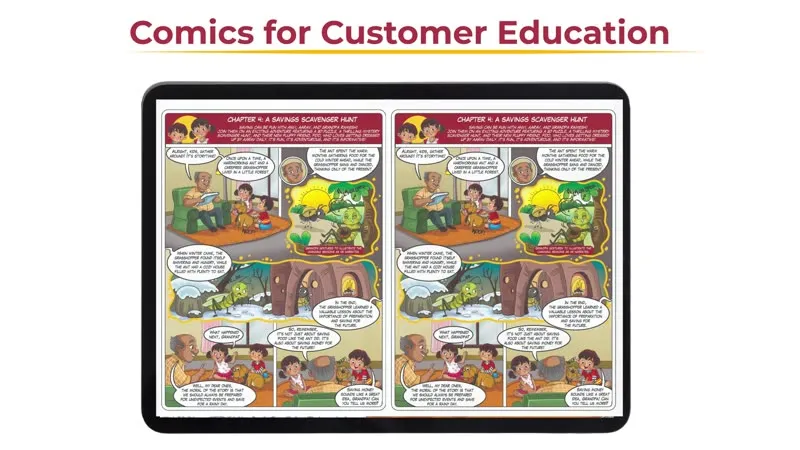
The formats IRDAI uses itself. IRDAI's policyholder site teaches with comic strips, comic books in Indian languages and e-books.

Articles and explainers
How funds, insurance, tax and credit work, for a reader with no background.
Articles ›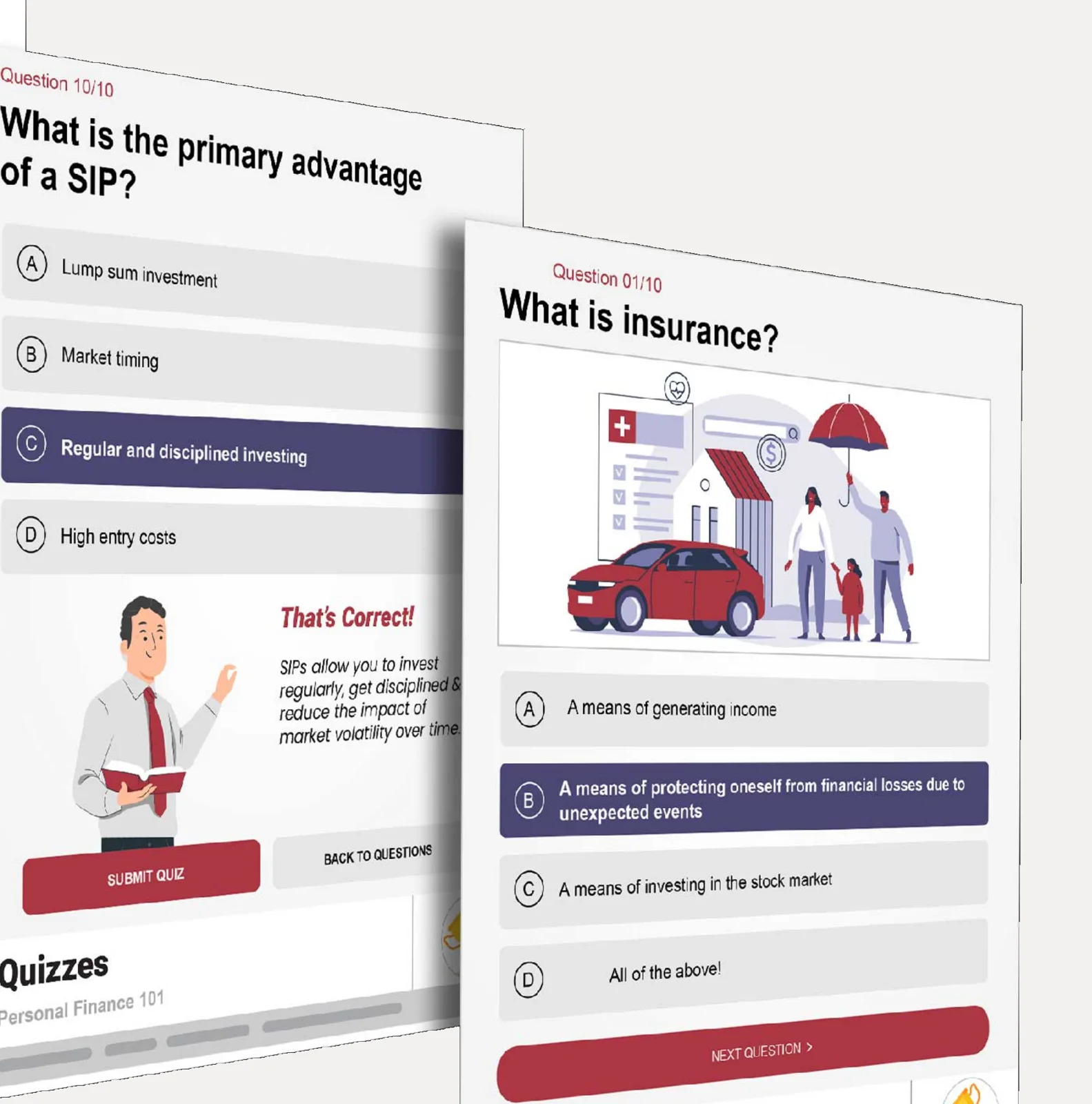
Quizzes and assessments
Questions built from everyday situations, with feedback on every answer.
Interactive content ›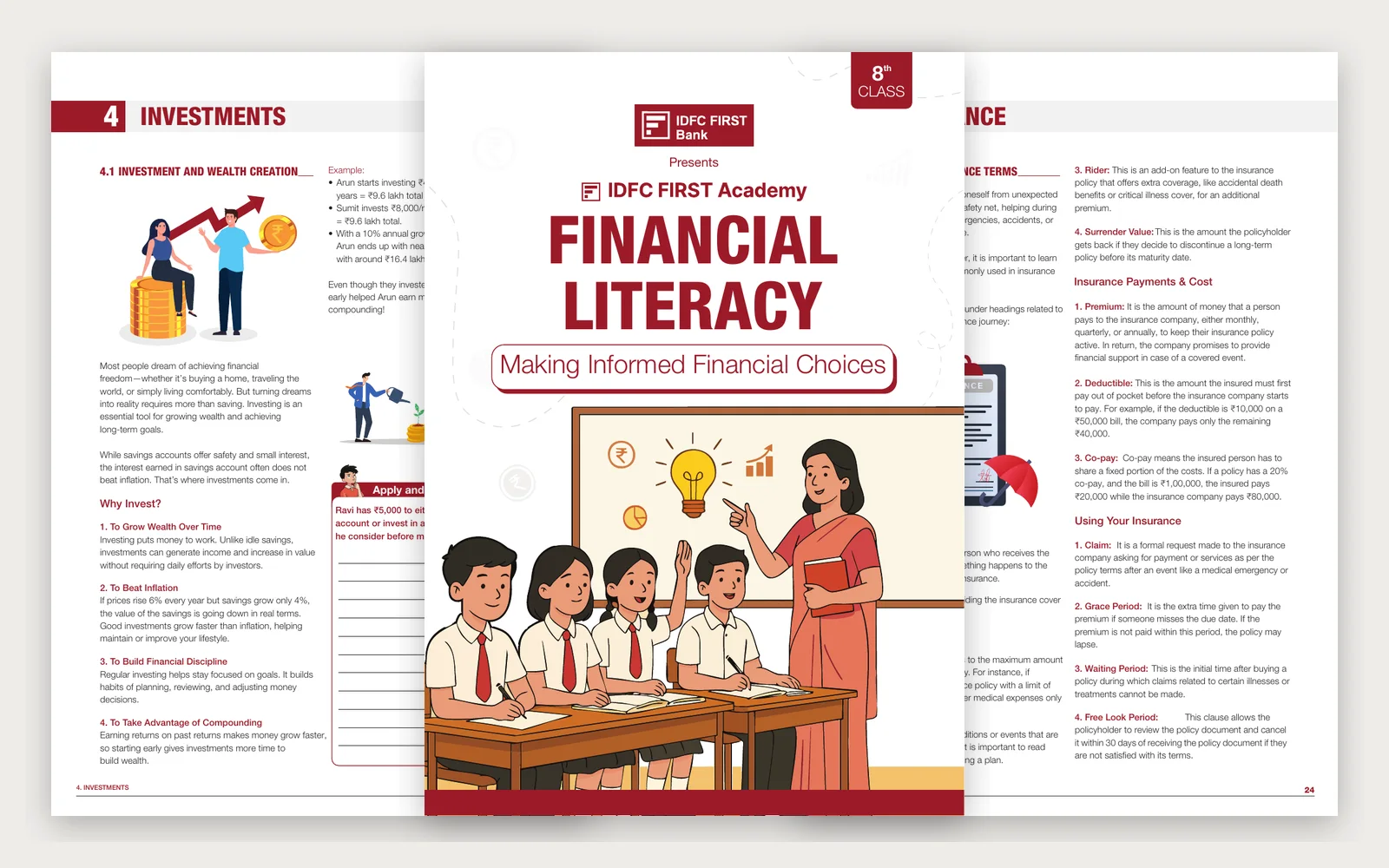
Comics and textbooks
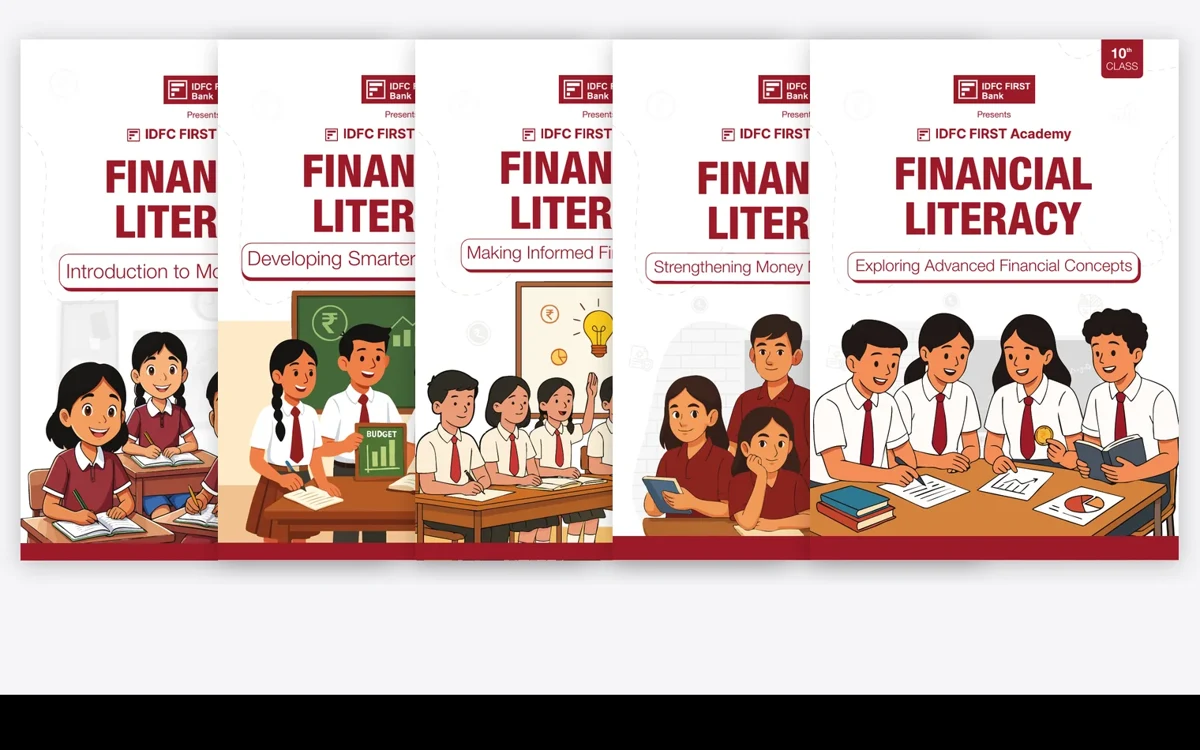
Textbooks for Classes 6 to 10 and comics that teach saving, written and designed by us.
Business comics ›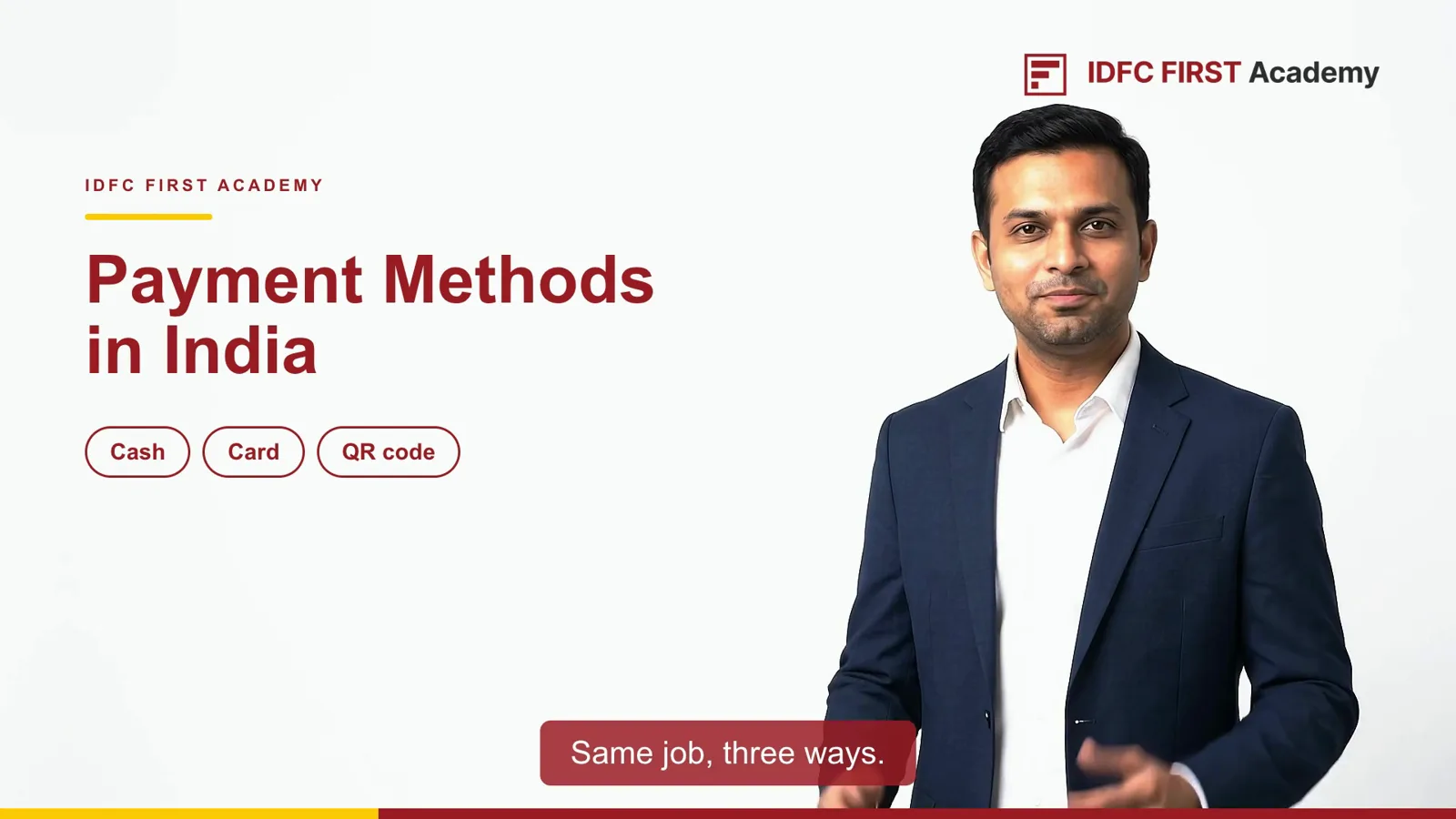
Explainer and training video
Scripts, storyboards and short films on one idea at a time.
Explainer video ›Education work for banks,
fund houses and insurers.
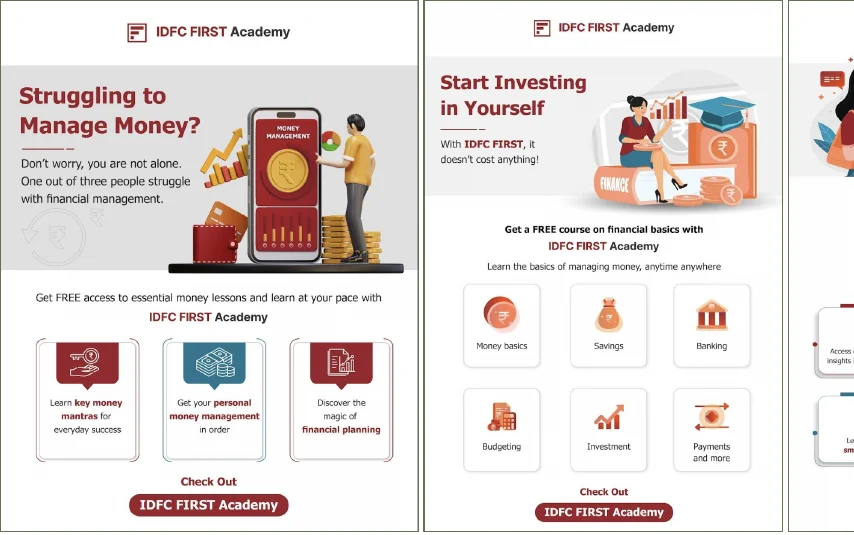
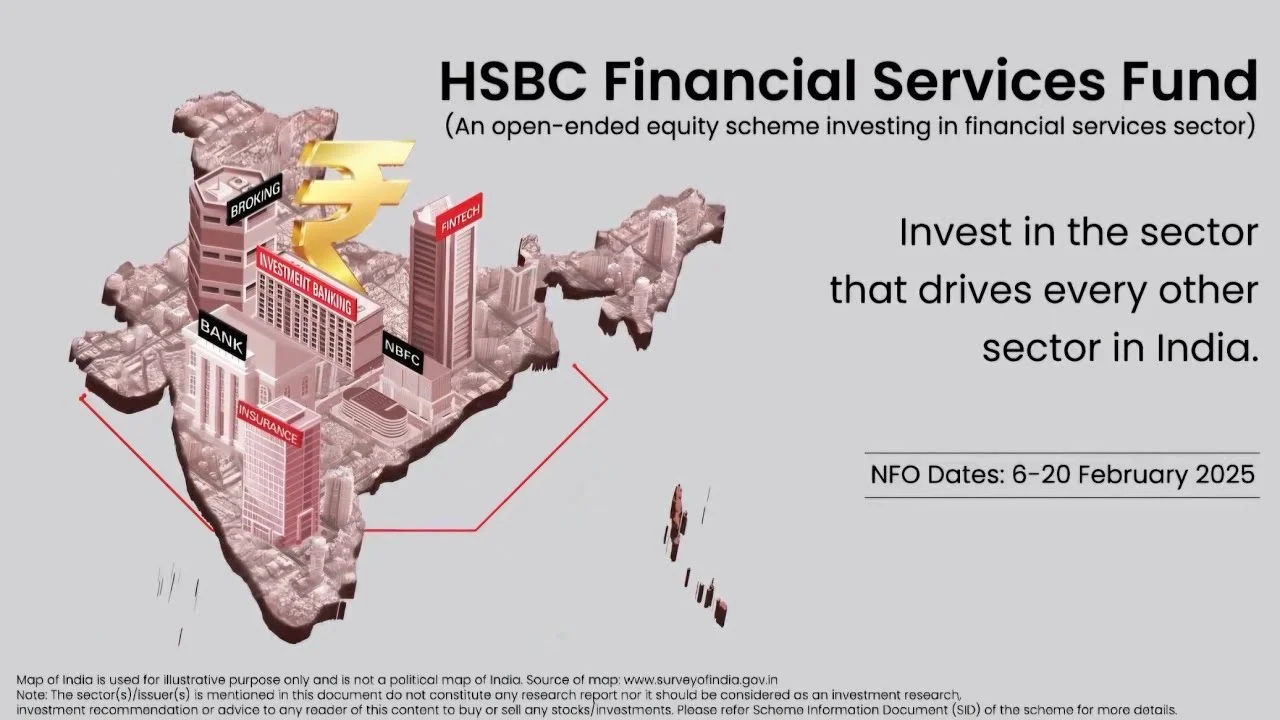
IDFC FIRST Academy has run every month since 2023. Nuvama Wealth took a fixed 11,000 words a month. Alongside them sit single projects: textbooks, a fund launch campaign, a credit-score module.
More education work
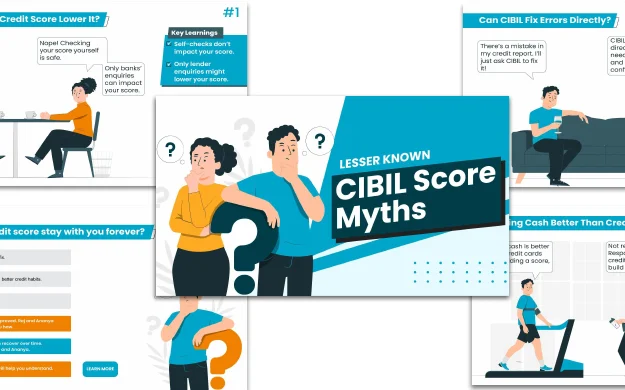
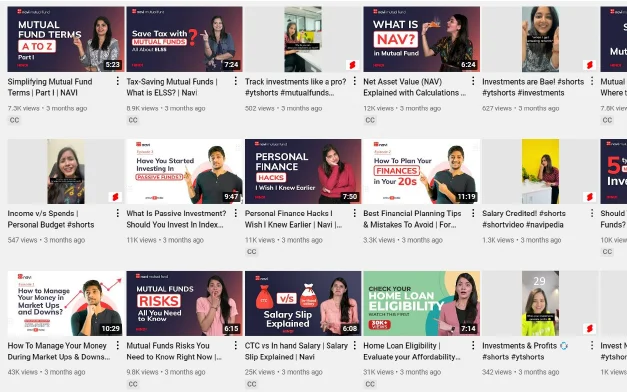
Now: we are writing articles for Bima Sugam, the IRDAI-backed insurance marketplace, and making 100+ IDFC FIRST Academy videos with an AI presenter.
Earlier: consumer insurance articles for ICICI Lombard, Bajaj Allianz and Max Life, on health, motor and life cover.
Example first. Term second. Every figure checked.
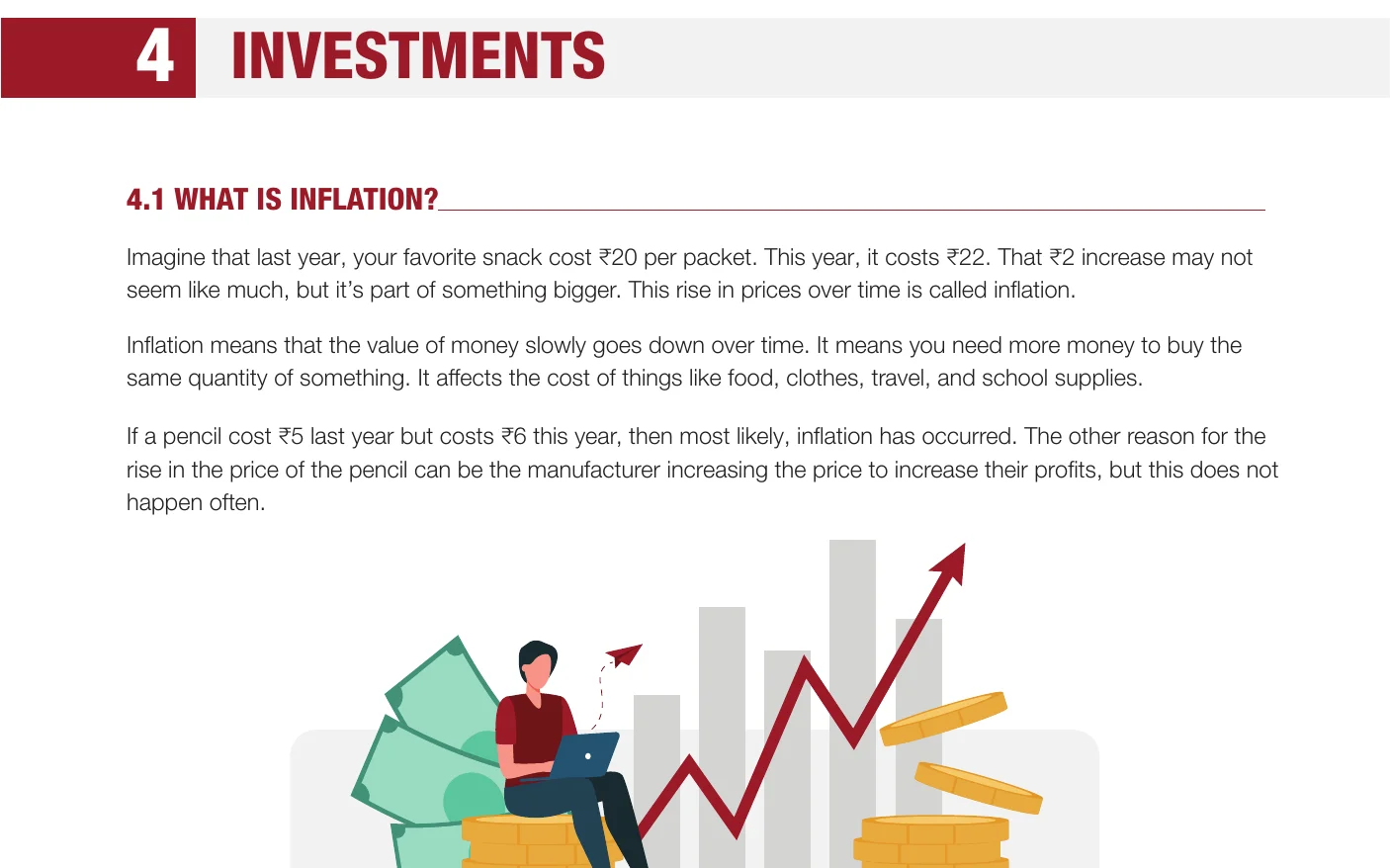
A real page from IDFC FIRST Bank's Class 7 textbook. It opens with a snack that cost ₹20 last year and ₹22 this year, and only then names it: “This rise in prices over time is called inflation.”
The same page closes on the RBI's inflation target, 4% within a range of 2 to 6%. Figures like that go stale, so every one is checked against the regulator's own page.
Across the five books we checked 257 figures and rules. 43 had changed since the books were written: GST now has two main slabs, 5% and 18%, plus 40%; share settlement is T+1; SEBI's complaints portal is SCORES 2.0. Each came with the official position, the source link and the date it changed.
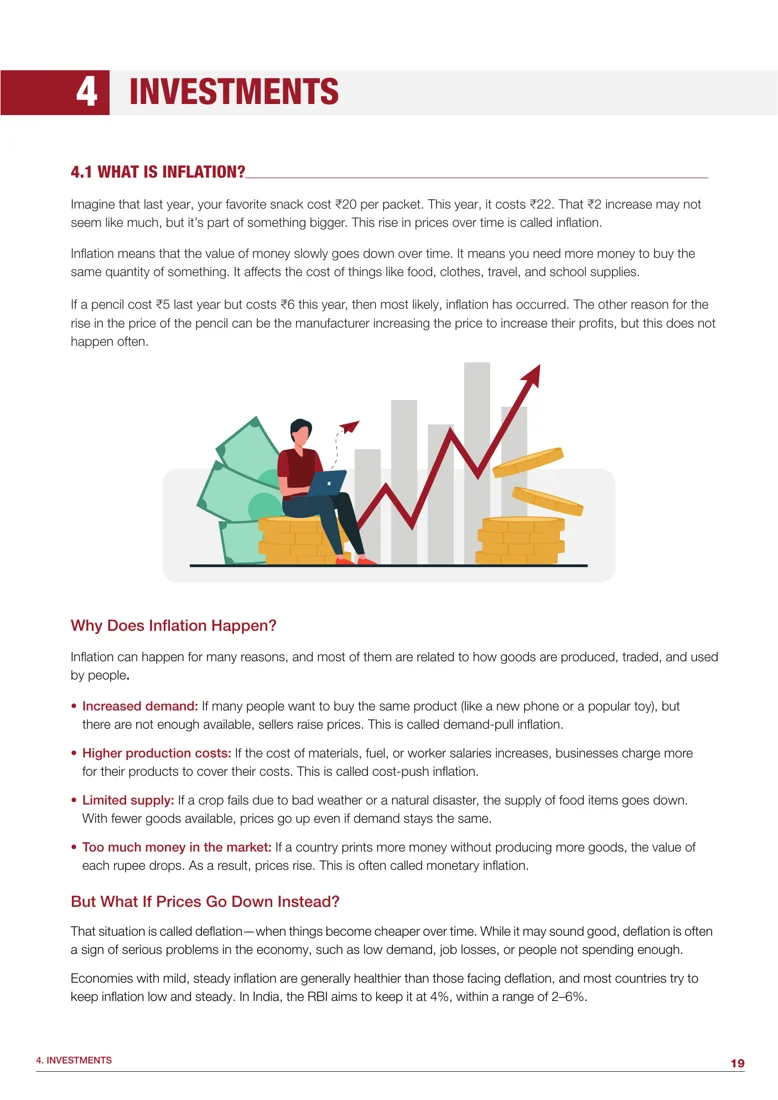
IDFC FIRST Academy, Class 7, chapter 4, Investments. Written, designed and translated by LexiConn.
Most education content
fails on one line.
A term nobody defined, a promise posing as a lesson, or a rule that changed last year.
Check the surrender value before you exit the policy.
Most readers do not know the term. Define it in plain words the first time it appears.
This plan gives complete protection for your family.
Protection from what? State the cover, the riders and what is excluded.
Shares settle two days after you trade.
It is T+1 now. Check the rule on the regulator's page before it ships.
Illustrative lines, not client copy.
Fund houses “shall annually set apart” 0.02% of daily net assets “for investor education, awareness and financial inclusion initiatives”.Securities and Exchange Board of India, Master Circular for Mutual Funds, 20 March 2026, para 11.9.1. For ETFs and index funds it is 0.01%. The budget is set every year; the content still has to teach.
New tools. Same standard.
Models write fluent financial copy and will invent a statistic with complete confidence. Somebody has to own what ships.
Research before the first word
Market, regulator and customer data turned into themes and a 12-month plan. Every figure carries its source. A popular “10-12% education inflation” figure was withdrawn when it traced back to a competitor's blog; official CPI put it at 3.32% in December 2025.
Run three times for a life insurer in 2026- IRDAI Disclaimer missing next to the claim
- Brand Colour outside the approved palette
Brand Guard
One check for writers, brand teams and compliance. It flags misses against your brand guidelines and IRDAI, ASCI and DPDP rules, so drafts are fixed before review.
Built by LexiConn AI. Ask us for a demo.People sign off.
Where AI helps, editors verify facts, remove repetitive content and cut numbers that have no source before a piece moves to the next stage.
Human sign-off on every pieceHow every lesson is written.
The same six steps for an article, a quiz or a textbook chapter.
- Pick the readerA school student, a first salary, a first policy or a retiree. The concept stays; the example changes.
- Build the fact sheetRates, limits, dates and rules copied from the approved source, each with its date. Conflicts go to you, not to guesswork.
- Example first, term secondStart with something the reader has lived. Name the idea after they have seen it.
- Teach, do not sellFactual, neutral and evergreen, so readers are informed without being pushed.
- Edited before you see itEvery piece is edited by people who sign their work. Your review is for judgement, not typos.
- Revise when rules changeTax articles were updated after the income-tax regime changed. The IDFC textbook translations took 65 updated lines, from EMI limits to GST slabs.
Started by someone who gave financial planning advice.
LexiConn was founded in 2009 by Khamir Purohit, who offered financial planning advice in wealth management at HSBC Bank (2008-2009) and was AMFI and IRDAI certified to market mutual funds and insurance.
Our writers work on financial content every week. We run research when a piece needs it, subject experts vet technical pieces, and your compliance team has the final word. See all our financial services content.
Our financial content work in 90 seconds.
What does your team need?
Pick your organisation to see the education content we make for it.
Banks. Financial literacy platforms, school textbooks and customer education.
Fund houses. Investor education and awareness, NFO explainers and distributor material.
Insurers. Policyholder education for first-time buyers, before and after the sale.
Fintechs and brokers. Explainers inside the app and on your channel, for new investors.
Education often sits next to customer letters and forms and a daily publishing desk.
Questions about investor and
policyholder education.
What is investor and policyholder education content?
Content that teaches people how a financial product works before they buy it: articles, explainers, quizzes, comics, textbooks and short videos. It stays factual and neutral. A lesson on mutual funds explains NAV, risk and costs; it does not push a scheme.
Can you write SEBI investor-education content for a fund house?
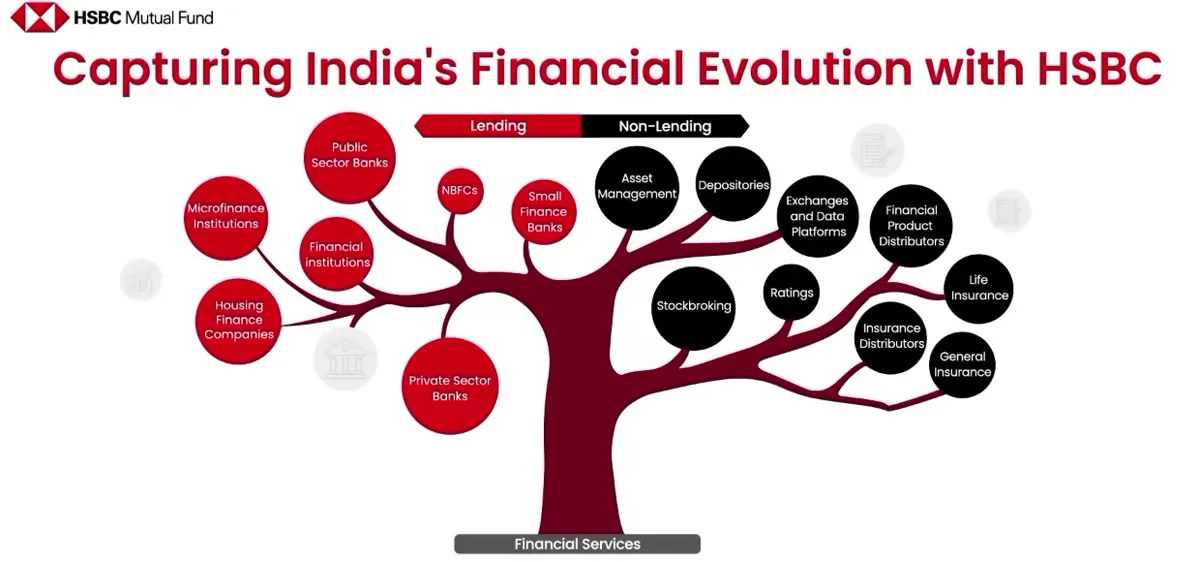
Yes. Under SEBI's Master Circular for Mutual Funds, fund houses set aside 0.02% of daily net assets each year for investor education, awareness and financial inclusion (0.01% for ETFs and index funds). We write the articles, explainers, infographics and video scripts that work needs. For HSBC Mutual Fund we ran the content for the HSBC Financial Services Fund launch: the explainer video, articles, infographics and emailers. The explainer has 83,000+ views on YouTube.
Do you write policyholder education for insurers?
Yes. We are writing articles for Bima Sugam, the IRDAI-backed insurance marketplace. We have also written consumer insurance articles for ICICI Lombard, Bajaj Allianz and Max Life, on health, motor and life cover. For ICICI Lombard the brief was plain language for readers with no insurance background.
How do you keep the facts current?
Every figure and rule is checked against the regulator's own page before it ships, and again when the rule changes. For IDFC FIRST Bank's five textbooks we checked 257 figures and rules. 43 had changed since the books were written, from GST slabs to T+1 share settlement.
How do you use AI on education content?
Where AI drafts, editors verify every fact, remove repetition and strip out numbers that have no source before anything moves on. Some education work is written by hand from the start. Either way, nothing reaches you until a person has signed it off.
How do we start?
With a free sample in the format you need, or a call about the education content you already publish.
More questions
Can one library serve school students and retirees?
Yes, if the examples change and the concept stays. We explain budgeting to a school student with pocket money and saving for a toy, and to someone near retirement with making savings cover monthly expenses.
Can you produce education content in Indian languages?
Yes, in multiple Indian languages, in everyday language rather than word-for-word translation. IDFC FIRST Bank's five textbooks were translated into Hindi and Marathi. The Marathi was checked against a 409-term glossary, term by term.
Do you write quizzes and assessments?
Yes. For IDFC FIRST Academy we wrote a 36-question personalisation quiz across 5 personas at three levels, and a Financial Literacy Olympiad of 120 scenario-based questions across three papers. Questions use everyday situations, such as a subscription that auto-renews or a shop refusing a torn note.
How we think about financial education.




Regulator sources: SEBI investor education · IRDAI policyholder site
Start small. Then scale.
Begin with a free sample in the format you need, or a call about the education content you already publish.