
Explainer video production,
every word checked.
Animated explainers, product demos and presenter-led videos, scripted by writers who understand the subject. For banks, insurers, fund houses and B2B companies: one film for a launch, or a monthly explainer series once the first one works.
Brands that trust LexiConn for explainer video content









What we make.
Explainers for your product, for your customers and for your own teams.
Product and SaaS explainers
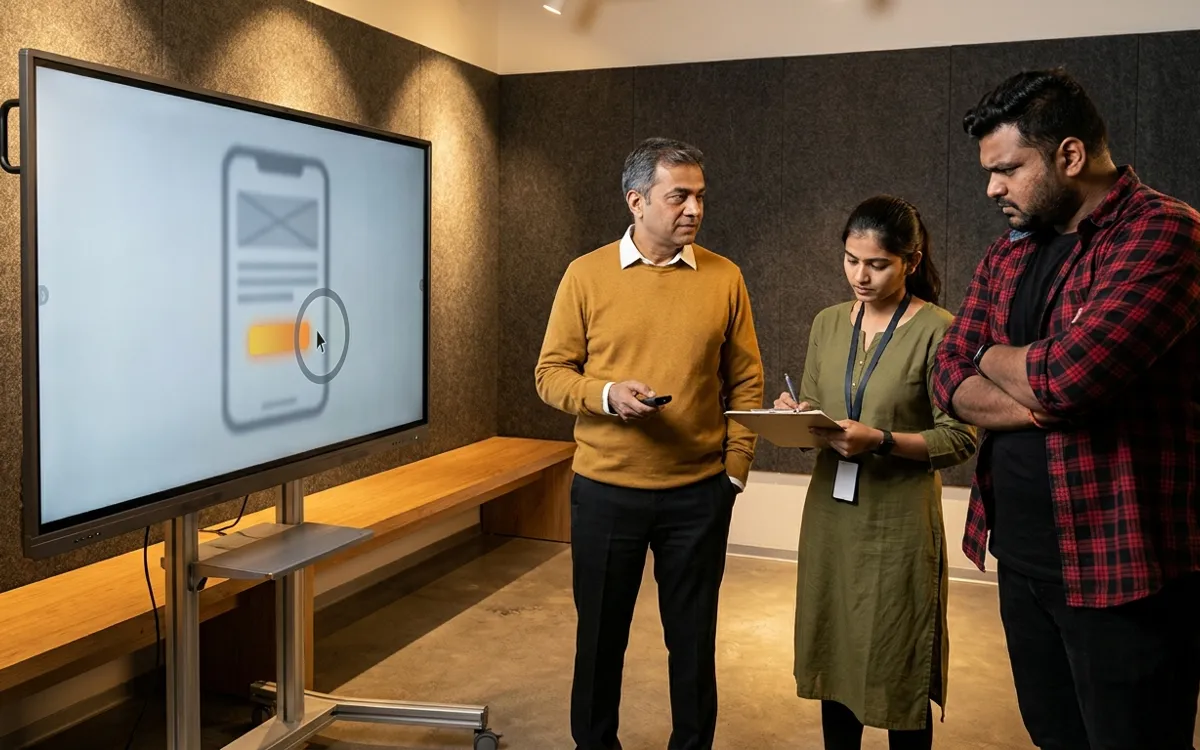
Demos, product tours, how-to and onboarding videos that show how your product works.
Technology content ›
Customer and investor education
Explainers that make a fund, a policy or a credit score easy to follow, for banks, insurers and fund houses.
Financial services content ›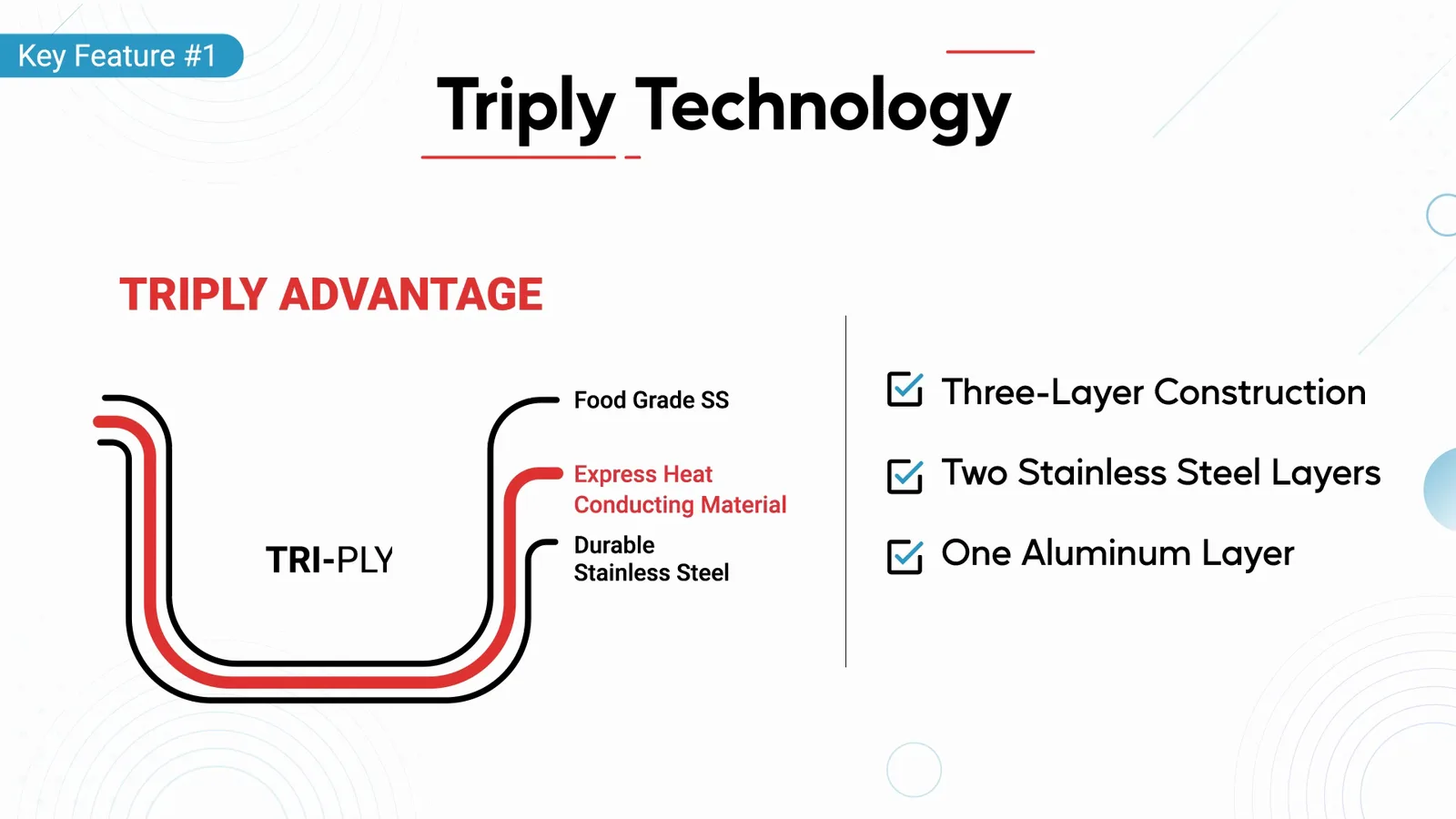
Training and onboarding videos
Product training for store and sales staff, onboarding and e-learning video for your own teams.
E-learning and training ›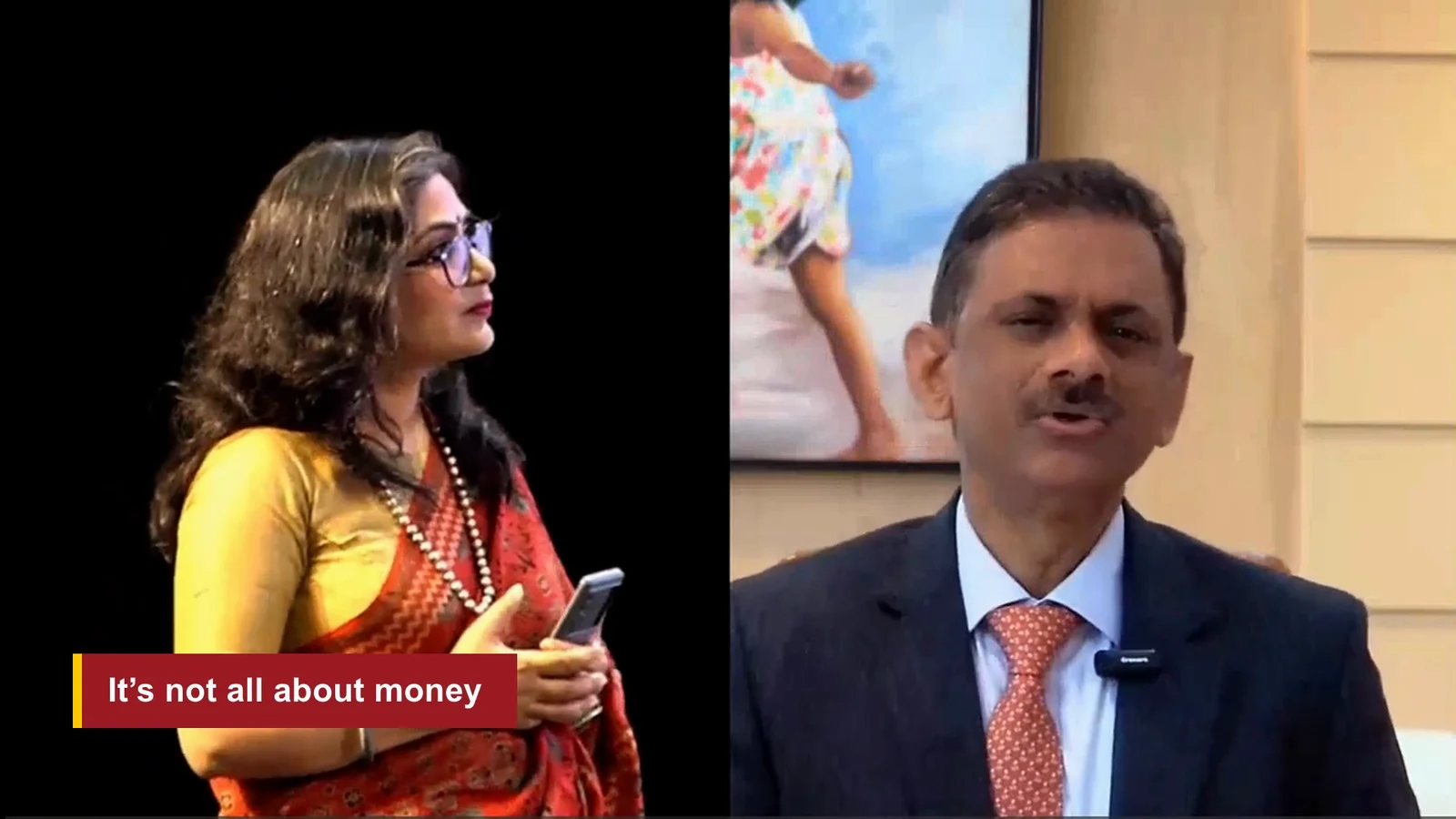
Video editing and repurposing
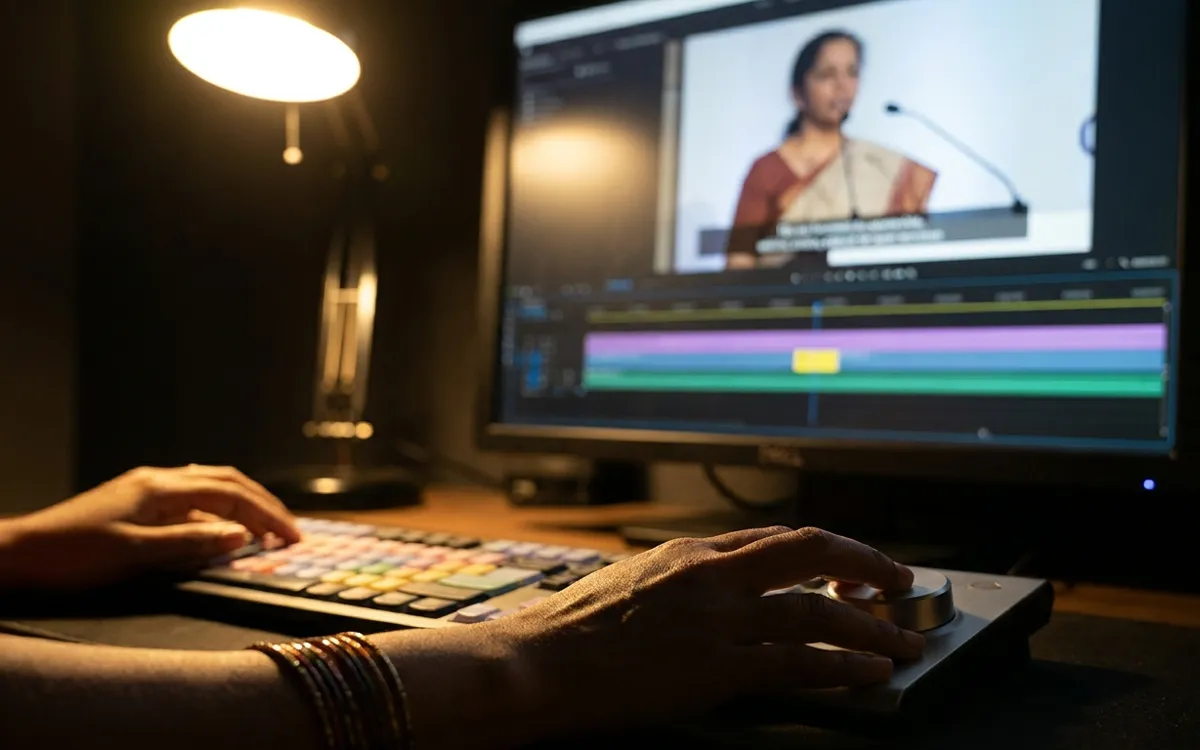
Webinars and keynotes cut into short films, with captions and on-screen text.
PR and corporate content ›Explainers we have made.
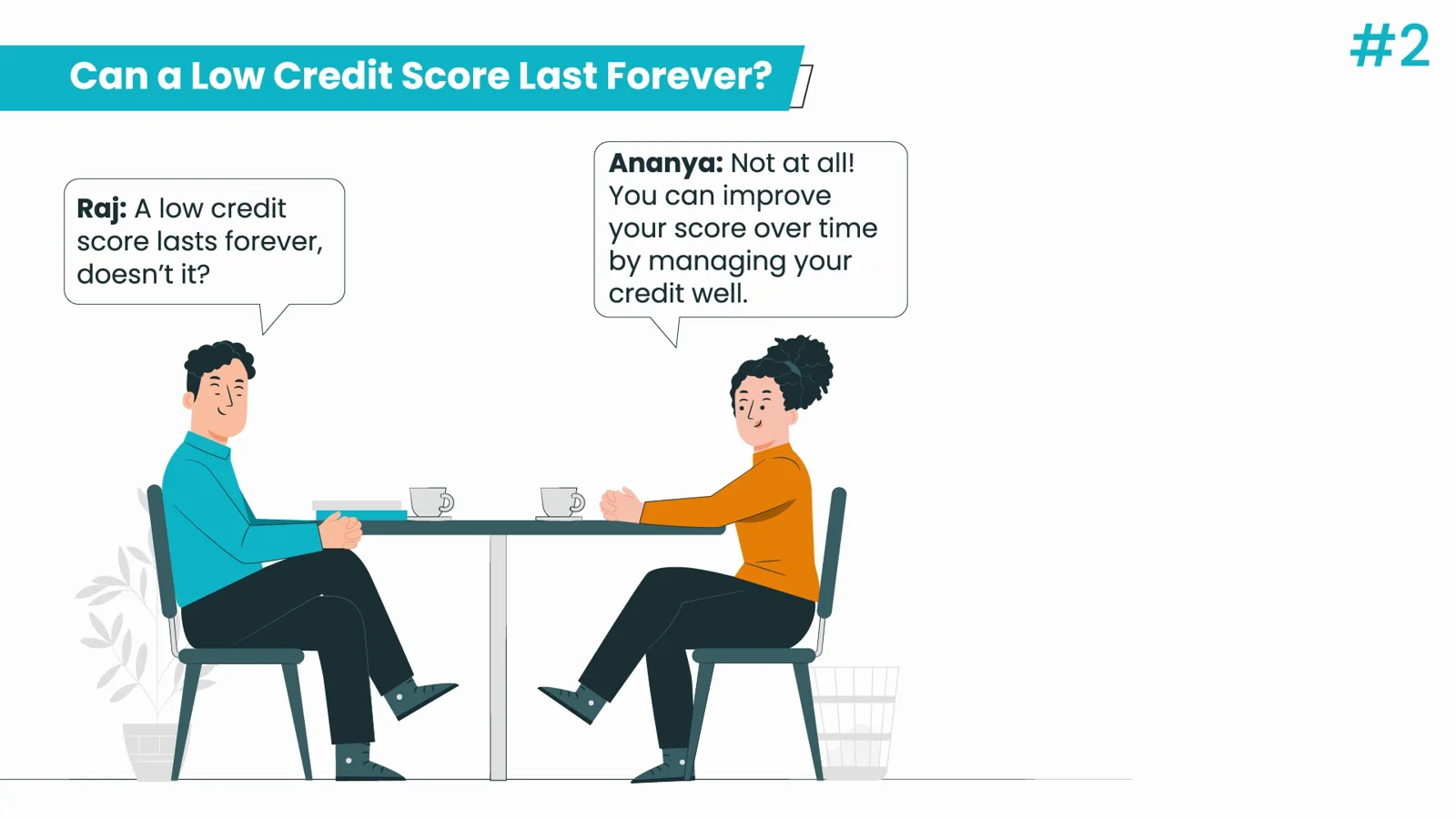
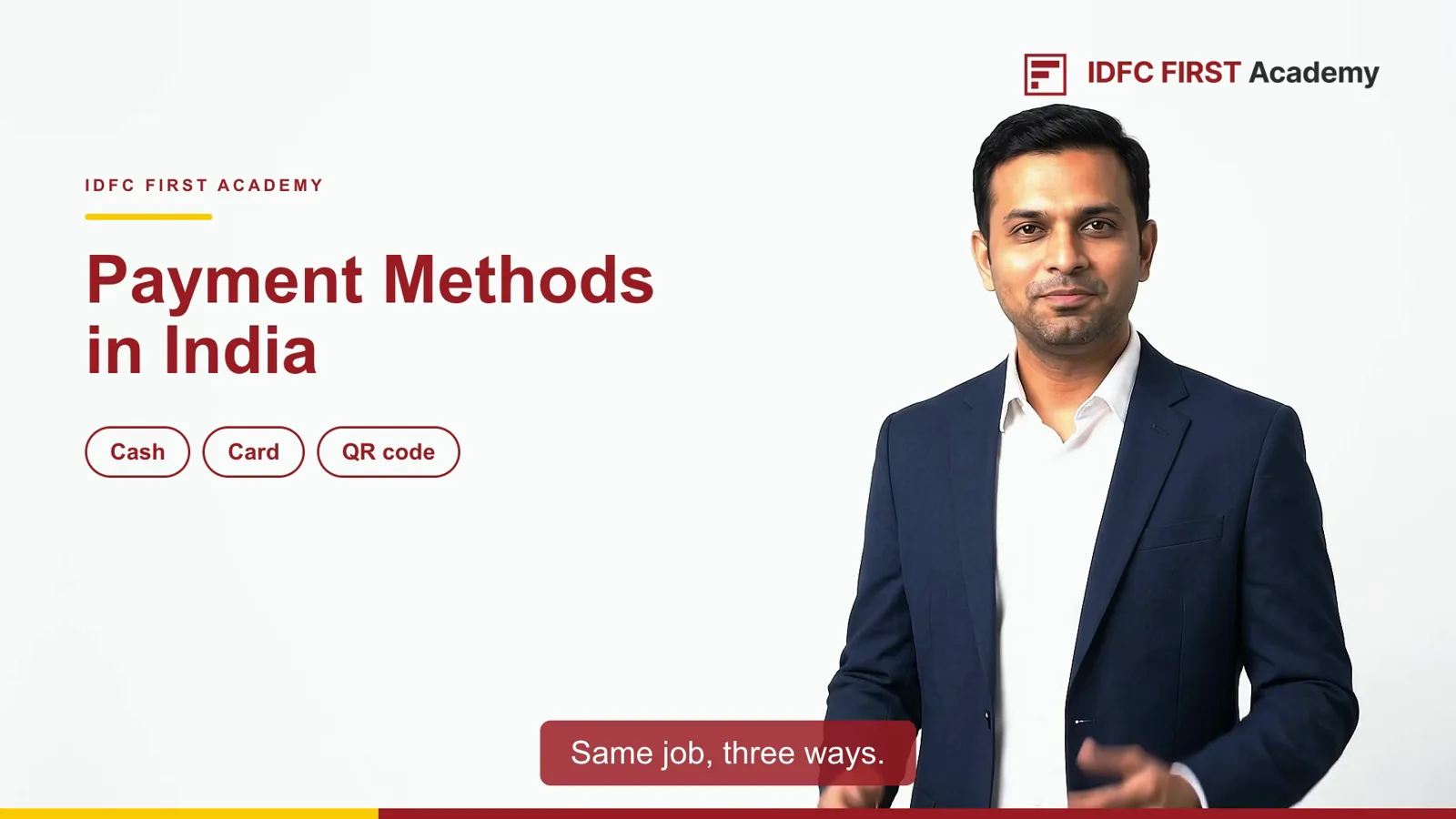
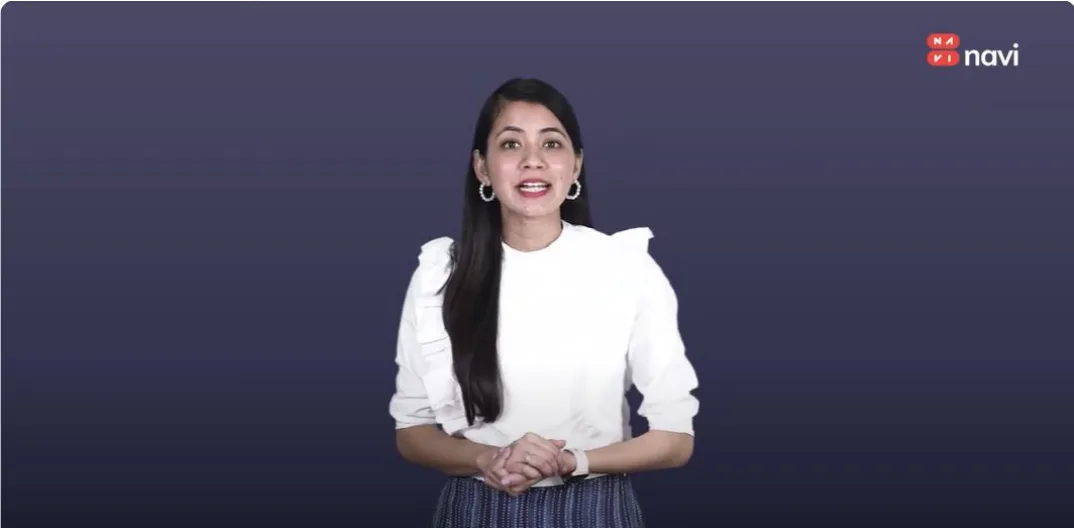
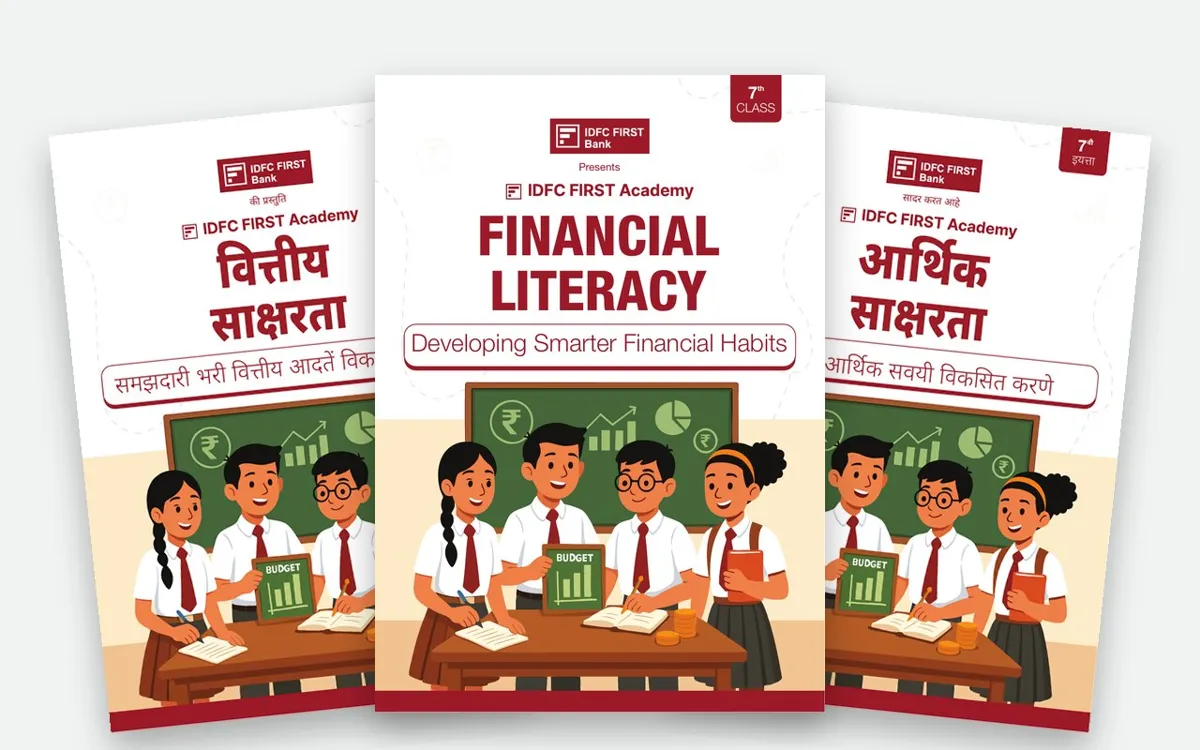
A fund launch, a credit bureau, a bank's academy and a fintech's YouTube channel.
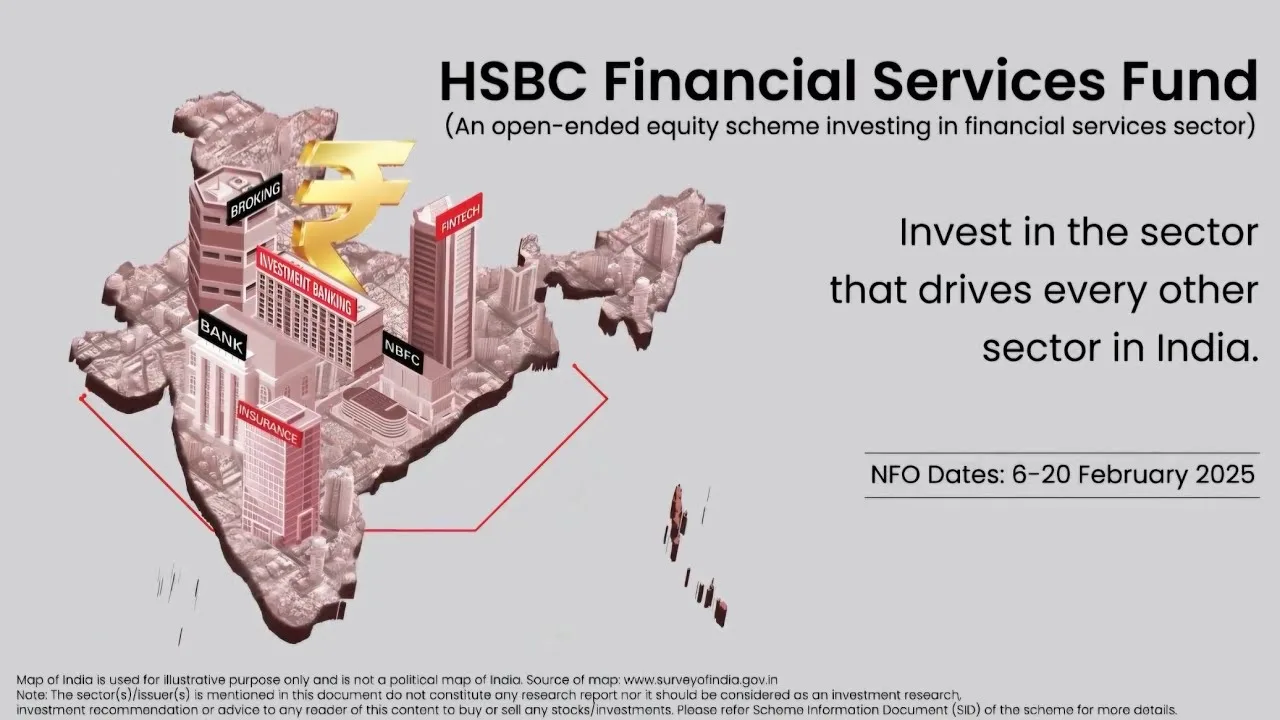
Pilots
Two pilots: a training video and a dubbed sample, to show a client how the work would look.
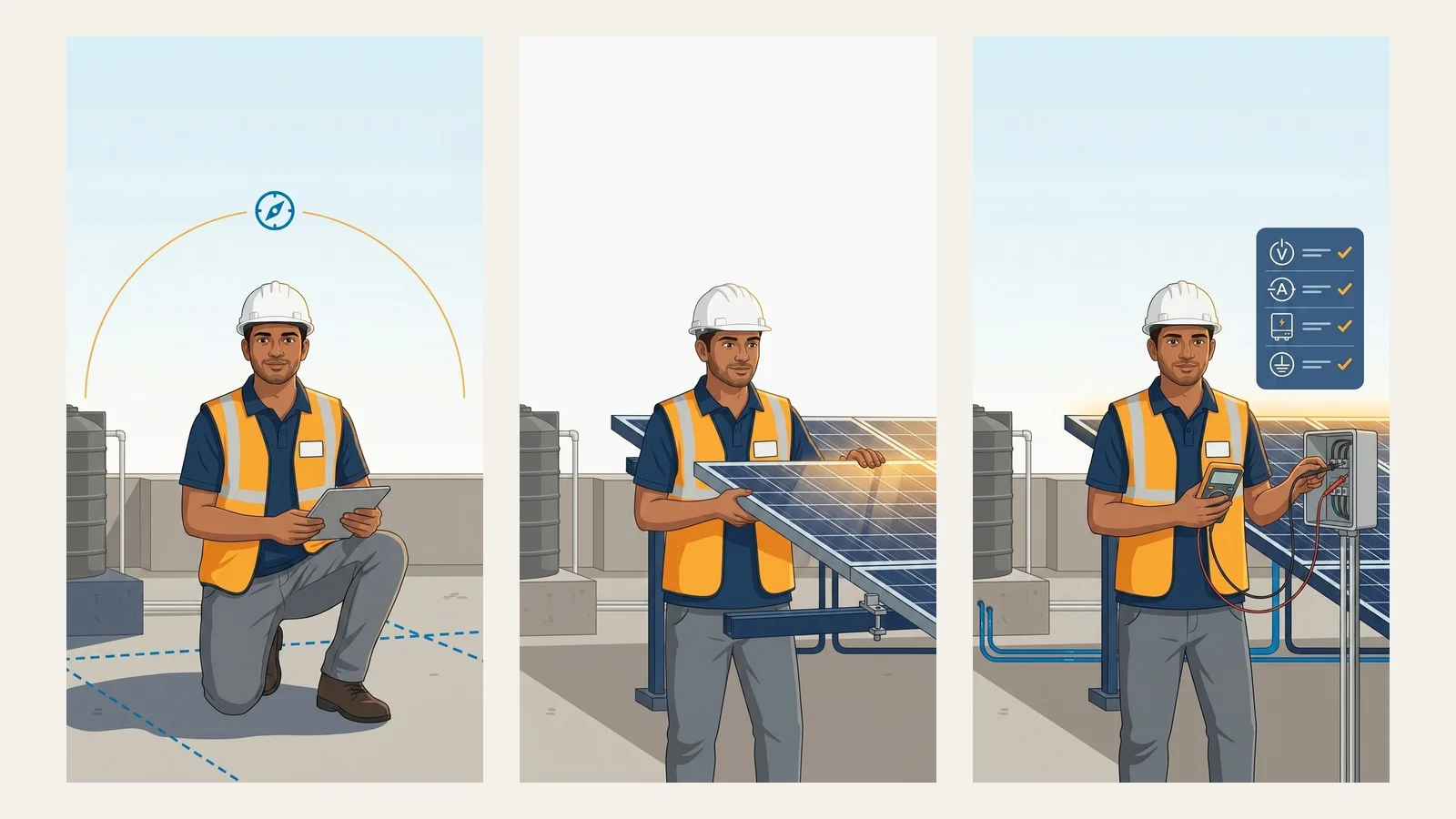

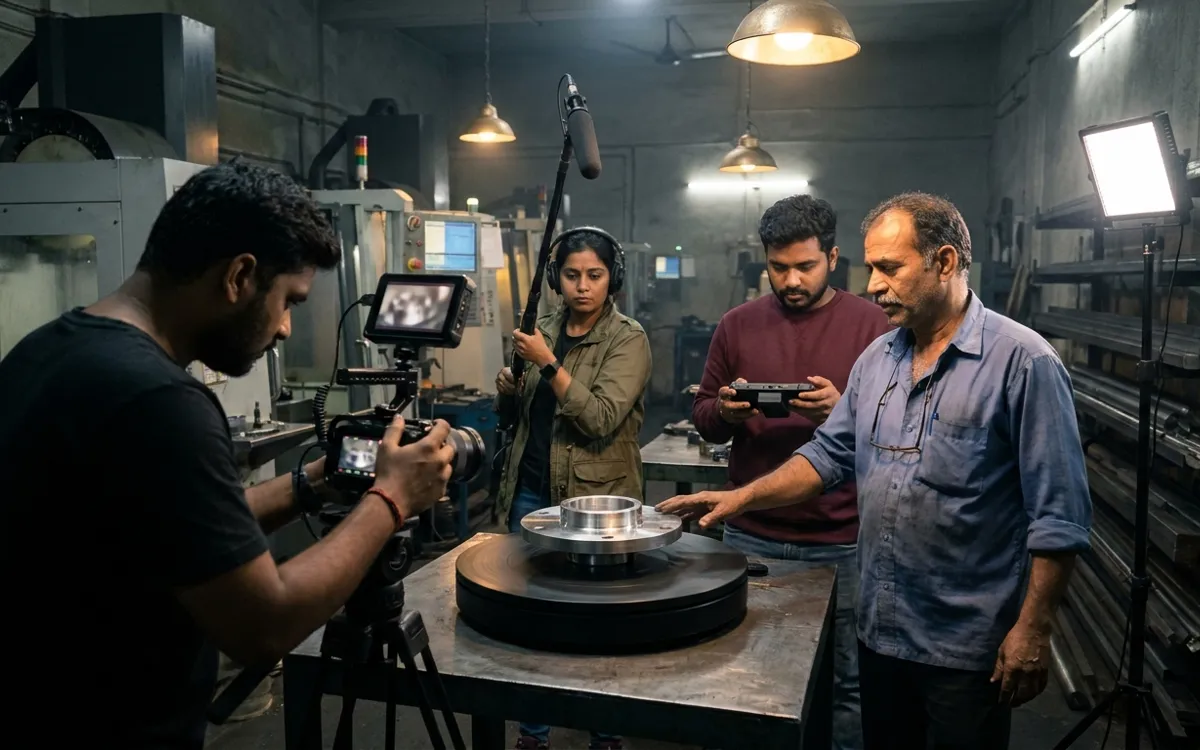
We also wrote, storyboarded and animated a 2D explainer for Siemens, wrote a ULIP video for Max Life's Tomorrowmakers, and drafted video scripts for TCS iON. For IDFC FIRST Bank we cut its MD and CEO's talks from three Outlook Money 40After40 events into one film, with 12 keyword supers and hand-corrected captions. We made a product-training video for a cookware brand's store staff, and a safety film of just over 6 minutes on 10 hazards for a manufacturer, built on its own plant footage.
Industries so far: personal finance, banking, insurance, mutual funds, e-learning, edtech, fintech, SaaS and manufacturing.
Most explainers fail at the script,
not the animation.
AI makes the pictures fast. Deciding what to say, in what order, and what must not be said still needs someone who knows the subject.
In this video, we will take you through the various payment options.
Open on the moment. Ours began: “Stepping out for coffee: a note, a card, or a QR code.”
A high CIBIL score guarantees your loan approval.
It doesn’t. Our script: “A good score helps, but the bank checks other things too, like your income and documents.”
NEFT, IMPS and UPI at 176 words a minute, with no pause.
Slow it down. After client review we cut it to about 147 words a minute.
The struck lines are illustrative. The fixes quote our scripts for IDFC FIRST Bank and TransUnion CIBIL.
“Users need to quickly be able to understand what they are watching and see its value, or they will navigate elsewhere.”Amy Schade, Video Usability, Nielsen Norman Group. Her advice: cut content and write more succinct scripts.
The script is signed off
before anything moves.
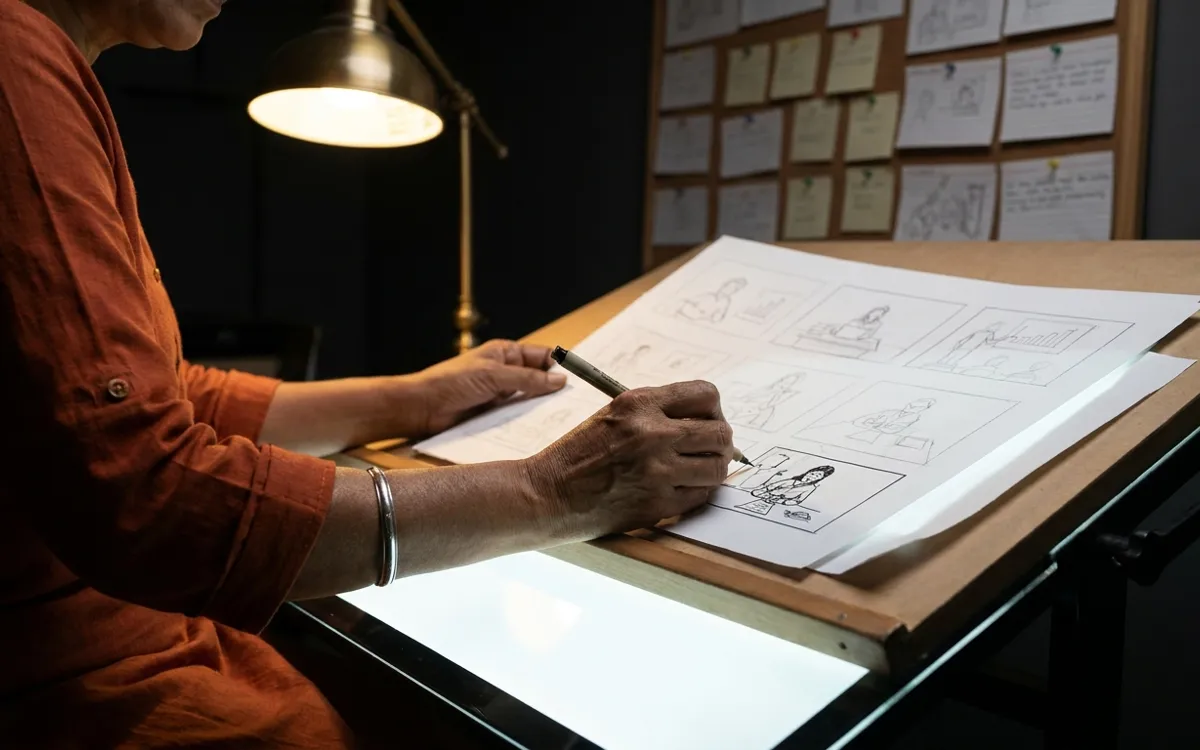
You approve the script before anything is drawn. The storyboard is checked before anything is animated. So the final round is small.
- Brief and scopingThe objective, the viewer and where it will play. A product page, a sales deck and an onboarding flow need different scripts.
- Script, checked inside firstA second writer or editor checks the audience, the pacing and the technical facts before you see it.
- Your review of the scriptTone, depth and the order of points. This is often where a feature that looked minor in the brief turns out to matter.
- StoryboardScenes, transitions and visual flow. A storyboard revision takes far less time than reworking finished animation.
- Voice, animation, captionsVoiceover and music once the storyboard is locked, then animation timed to the voice.
- Final review and deliverySmall timing and visual tweaks, then delivery in every format you need.
Read the full process
Brief and scoping
A brief for an explainer video starts with a scoping call to establish the objective, the audience, and where the video will be used, since a script written for a product page reads differently from one written for a sales deck or an onboarding flow. Once the objective is confirmed, a writer develops the script rather than moving straight to visuals, since the message needs to be settled before anything is animated or filmed.
Script and internal review
The script goes through an internal review before it is shared externally. A second writer or editor checks that the language matches the intended audience, that the pacing suits the video's length, and that the structure supports a storyboard rather than reading like a written article. This is also where technical accuracy gets checked, particularly for product or onboarding videos, since a script that sounds right but describes a feature incorrectly costs more to fix later.
Client review of the script
Once the script is approved internally, it moves to the client for review. Feedback at this stage typically falls into a few categories: tone that doesn't match the brand, a level of technical detail that's either too shallow or too dense for the intended viewer, or a request to reorder which points come first. Scripts also get sent back when the video's stated objective and the actual content have drifted apart during drafting, usually because a feature or use case that seemed secondary at the brief stage turns out to matter more once the client sees the draft.
Storyboarding
After the script is signed off, storyboarding maps out scenes, transitions, and visual flow before any animation or voiceover work begins. This stage exists specifically to catch structural problems while they're still cheap to fix. A storyboard revision takes far less time than reworking finished animation, so this checkpoint is treated as non-negotiable even under tight timelines.
Voiceover, animation, and production
Voiceover and music selection happen once the storyboard is locked, followed by animation and design work matched to the script and storyboard. A final internal pass checks that transitions are smooth, timing lines up with the voiceover, and nothing was lost in translation between script and visuals.
Final client review and delivery
The finished video goes to the client for a final review round. What typically comes back at this stage is narrower than earlier rounds, usually small timing adjustments, a request to swap a visual element, or a tweak to the voiceover pacing, since the bigger structural and messaging decisions were already resolved at the script and storyboard stages. Once approved, the video is rendered and delivered in the required formats.
Ask for captions: they make the film work with the sound off and for viewers who are deaf or hard of hearing, as WCAG 2.1 asks. We can also write the title and description for YouTube and your site, following Google’s video guidelines.
Made with AI where it helps.
Checked by people every time.
One explainer is a project. A series that runs every month is where AI changes the cost, and where checking matters most.
AI presenters, held to the script
For IDFC FIRST Academy we built a film with an AI presenter: eight shots, captions in the bank’s house style, branding matched to its own Academy videos. Every take was checked word for word against the script.
Made with AI. IDFC FIRST Bank, 2026.A topic plan before a series
Before proposing an AI video series for IDFC FIRST Academy, we read every page already on the Academy, 64 videos and 270 articles, so no new topic repeats an old one.
Topic plan sent October 2026Storyboard before animation
Structural problems are caught on paper, where they are cheap to fix. We wrote, storyboarded and animated a 2D explainer for Siemens this way.
On every animated explainerScripts by writers
who know the subject.
LexiConn has written for B2B brands since 2009. On video, our writers own the script and the facts in it; visualisers and animators work from the signed-off script and storyboard. Technical scripts go back to your subject expert for sign-off.
See how we work.
Watch: credit-score myths,
explained in 82 seconds.
The first three of 12 myths from our animated explainer for TransUnion CIBIL. Two characters, one question per scene, one key learning each.
The same myths also became business comics and an interactive module.
What does your team need?
Pick your team to see the videos we make for it.
Marketing and sales. Explainers that make a complex offer easy to pitch, for your website, social media, email and sales decks.
Product. Videos that break down features, benefits and use cases, and walk new users through the product.
Customer education. Step-by-step videos that answer common questions, so customers can help themselves.
HR and training. The same training for every new hire, in every location, without a live session each time.
Corporate communications. Keynotes, webinars and events turned into short, captioned films.
Planning an explainer? Five things the steps leave out.
- Name what the viewer should do nextThe key message, the viewer, and the one action they take after watching.
- Write to be heard, not readConcise and technically sound, in sentences a voice can say in one breath.
- Gather feedback onceStakeholders review together, so revisions come back as one set of changes.
- Plan where it playsDecide the channels first, so the right viewers see it at the right time.
- Render for every screenExport in HD, in every format and aspect ratio you need.
Questions about explainer videos.
How long should an explainer video be?
Ours run from about 40 seconds (IDFC FIRST Bank, one idea: how payment methods differ) to over 6 minutes (a manufacturer's safety film on 10 hazards). TransUnion CIBIL's runs just under 6 minutes for 12 myths, one per scene. The length follows the number of ideas: one idea, one short film; a list of questions, one scene each.
What is included in an explainer video project?
A scoping call, the script, an internal review, your review of the script, a storyboard, voiceover and music, animation or a presenter, and a final review. You approve the script before production starts, and the storyboard catches structural problems before anything is animated.
Do you make animated explainers, or videos with a presenter?
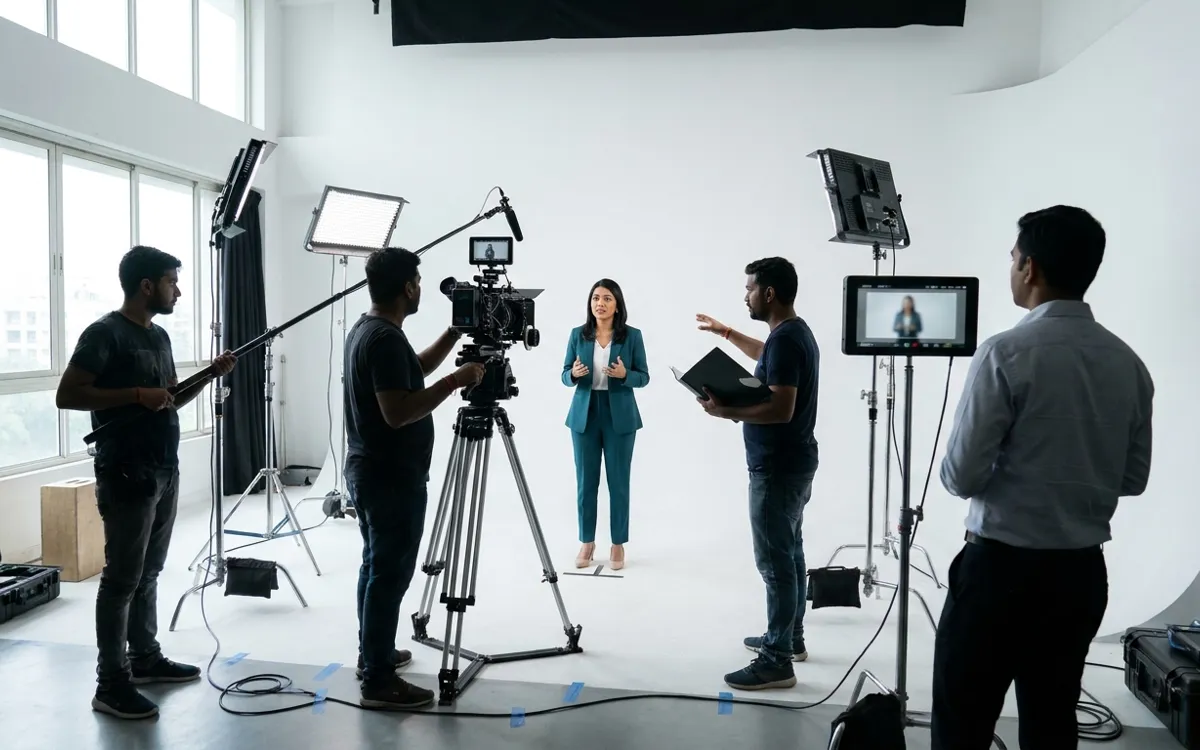
Both. We have made 2D animated explainers for TransUnion CIBIL and Siemens, written personal-finance videos for Navi, including an ESOPs explainer with a presenter on camera, and built a film with an AI presenter for IDFC FIRST Bank. The script decides the format: animation suits a process, a presenter suits a message that needs trust.
Can a bank or insurer use an AI presenter safely?
Yes, if the words are controlled. Every take is checked word for word against the script, and captions and branding follow your house style. Your compliance team should sign off the script before production starts.
Can you make a series of explainers, not just one?
Yes. Before a series we plan the topics and check them against what you have already published. For IDFC FIRST Academy, 58 topics in 8 series were checked against all 334 existing Academy pages.
How do we start?
With one explainer on the topic your customers or staff ask about most. If it works, we plan a series and run it every month.
More questions about explainer videos
What is the first step in creating an explainer video?
The first step is defining the video's objective by identifying the key message, target audience, and desired outcome. A clear goal keeps the video to one message, whatever its format or length.
How do I write a script for an explainer video?
A good explainer script is short, technically accurate and written to be spoken. It should open on the viewer's problem, make one point clearly and end with one action.
What is the role of storyboarding in explainer video production?
Storyboarding visualizes the video’s structure by mapping out scenes, transitions, and visual flow before production begins. Animators and designers work from it, which cuts revisions.
Why are voiceover and music important for explainer videos?
A clear voiceover carries the explanation, and music sets the pace. The right pairing keeps viewers watching and supports the message, especially in short formats like reels.
What are the benefits of using short videos?
Short videos capture attention quickly and deliver focused messages in under 60 seconds. They perform well on social media platforms where users scroll rapidly.
How do short videos help with audience engagement?
Short videos make one point quickly, which suits social media feeds. People share and rewatch them, so more people see your brand.
How do you keep viewers engaged with video content?
A clear story, clear visuals, one call to action and, where the platform allows, a poll or a question. A regular posting schedule and a look at which videos people finish also help.
How we think about video.

Start small. Then scale.
Begin with one explainer on the question your customers or staff ask most. One-off videos solve this month. A series solves the year.